Skip to main content Skip to main navigation
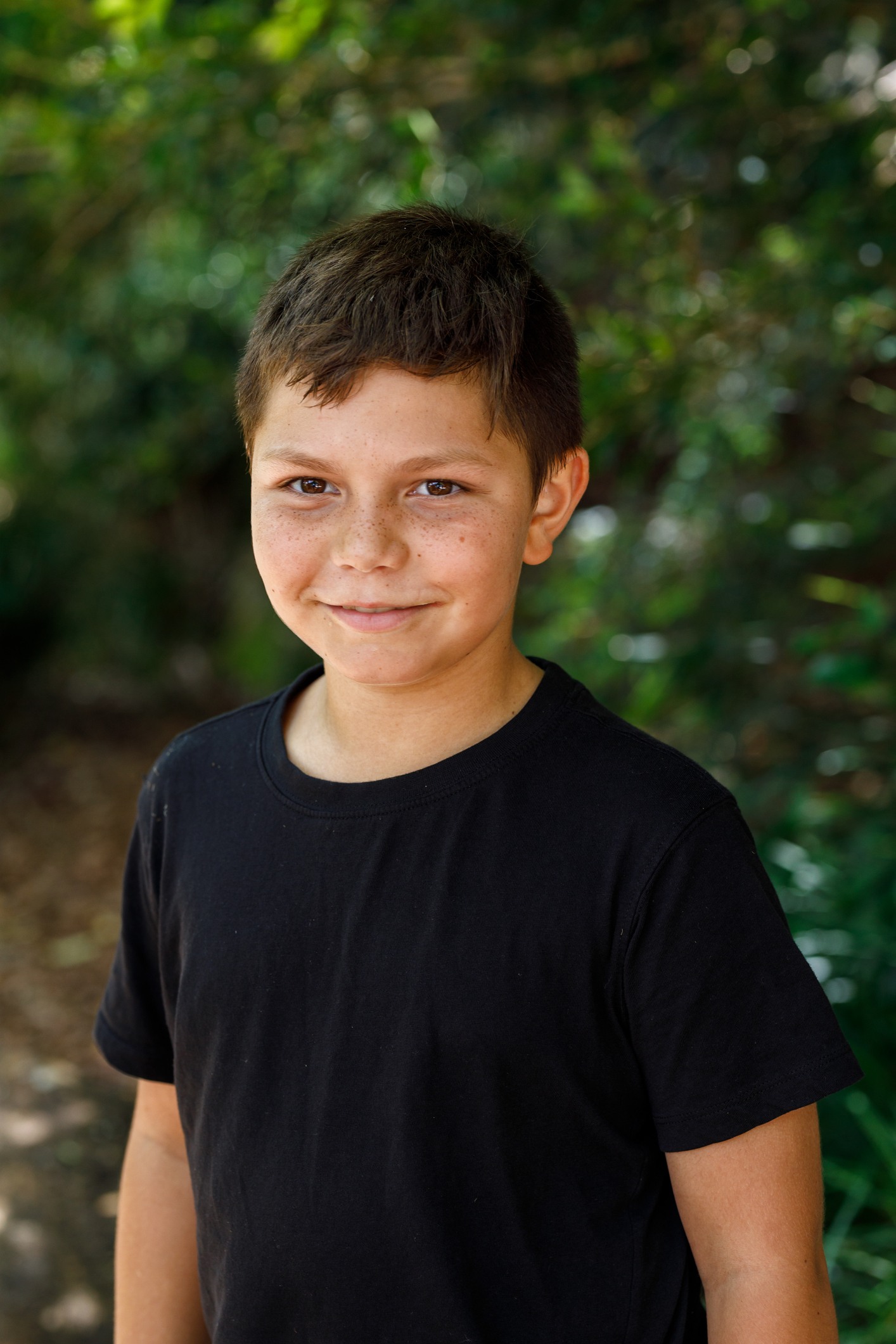
Portrait of Australian Aboriginal Boy

Sanctuary Model of Care

Kanda’s Children, Youth and Family Services is accredited with the Sanctuary Model, a trauma informed of model of care. We were one of the first providers in Australia to be certified to implement this model inclusive of Cultural Humility.

This therapeutic, trauma-informed framework helps us and the people we support to cope with adversity, nurture connection, and create safe spaces for healing and growth.

What is the Sanctuary Model?

The Sanctuary Model is a relationship-based workplace model that teaches people how to cope with stress and prevent trauma symptoms.

The model helps both Kanda staff and the people we support to: 

  • Understand the impact of trauma 
  • Build resilience and emotional intelligence 
  • Strengthen relationships and teamwork 
  • Promote healing through trust and shared responsibility
     

By creating a safer workplace and embedding the Sanctuary trauma model of care, we make sure everyone feels seen, supported, and safe.  

 Understanding Trauma

Trauma can shape the way people think, feel, and respond to the world. 

The Sanctuary Model of Care Framework, developed by the MacKillop Institute, helps our teams understand these effects and respond with empathy instead of judgement. It recognises that trauma doesn’t just affect the person who has experienced it but also the staff who work with them and the entire organisation.  

 Sanctuary drives a whole-organisation culture that strengthens emotional wellbeing and resilience. Through reflective practice, supervision, and team debriefs, we focus on healing relationships, not just managing behaviour.  

When children and young people feel safe, they can rebuild trust, and that’s where growth begins. 

The four pillars of the Sanctuary Model

The Sanctuary model works across four interrelated domains that guide all aspects of care.

Minimalist hour glass icon in dark brown on light beige circular background

Shared knowledge

Understanding how trauma affects individuals and systems and how education can promote resilience and empower people.

Minimalist trefoil icon in dark brown on light beige circular background

Shared values

When a value-driven environment is created, it provides a place where people can embrace growth and change.

Minimalist smiley face in dark brown on light beige circular background

Shared language

By using the S.E.L.F framework (Safety, Emotions, Loss and Future), organisations can better navigate complex situations.

Minimalist clover shaped icon in dark brown on light beige circular background

Shared practice

The framework provides a toolkit to help respond to difficult situations, build community and develop resilience to cope with trauma.

The 8 commitments

  • Non-violence: We use unconditional care to stay safe and allow others to feel safe 
  • Emotional intelligence: We manage our feelings, so we don’t hurt ourselves or others 
  • Social learning: We are curious and learn from each other 
  • Democracy: Important voices and views are heard and respected to optimise decision making 
  • Open communication: We are honest and say what we mean with kindness 
  • Social responsibility: We help each other and take responsibility for our actions 
  • Growth and change: We acknowledge loss, are open to new ideas and are hopeful for the future 
  • Cultural humility: We practice deep, ongoing self-reflection to address power imbalance and cultivate cultural safety for all 

How Kanda uses the Sanctuary model

We have integrated the Sanctuary Model Australia framework across all Children, Youth and Family Services, from residential care to family support. Our teams apply the model in daily practice, staff training, and leadership decision-making.

We adapt the framework to reflect local communities, cultural perspectives, and the realities of frontline work, ensuring it stays relevant and real.

By aligning Sanctuary with our Practice Essentials, Hope and Healing, and TCI training, we create a consistent, compassionate and trauma informed approach that supports both the people we care for and those who care for them.

Kanda’s journey to Sanctuary accreditation 

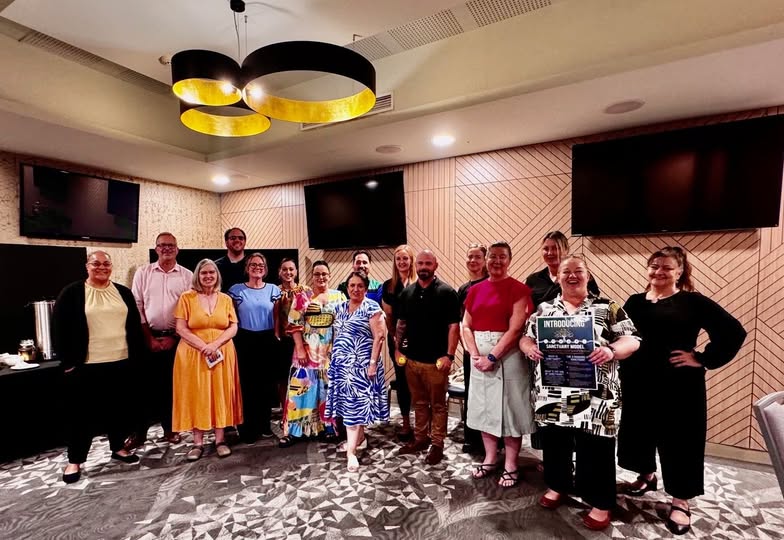
We’re proud that Kanda’s Children, Youth and Family Services (CYF) was the first organisation in Australia to achieve Sanctuary Accreditation. This three-year accreditation journey recognises our sustained commitment to trauma-informed care and cultural change.  

Being amongst the first in Australia to earn accreditation for Sanctuary, including the addition of the 8th Commitment and the 29th Standard, reflects our unwavering focus on trauma-informed care and cultural safety.  

While accreditation is an achievement, it’s also an ongoing journey. We continue to learn, evolve, and strengthen our practice through regular training, feedback, and reflective supervision. 

Kanda and the Sanctuary Model of Trauma Informed Care

Learn our Sanctuary model of care journey from this blog
Sanctuary Core Team Retreat Drives Progress

Two transformative days with our Sanctuary Core Team focused on communication, conflict resolution, and future training initiatives.

Sanctuary model FAQs

The Sanctuary Model is an evidence-based, trauma-informed care framework that helps organisations create safe, healing environments for people who have experienced trauma or adversity.

The four pillars (also called domains) guide how Sanctuary is embedded into everyday practice. They are shared knowledge, shared values, shared language, shared practice.

The S.E.L.F. Framework guides conversations about recovery and change. S.E.L.F stands for:

Safety – creating a foundation of trust and security
Emotions – recognising and regulating feelings
Loss – acknowledging grief and change
Future – building hope and setting goals

This framework reminds us that healing isn’t linear. It’s steady, supported progress through understanding and compassion.

Let Us Know How We're Doing

We’re always keen to hear from you. Letting us know if things are going great or a bit of challenge helps us to improve our services. Leave us a compliment, suggestion or if you have a complaint we’d like to know.