
Step 1 - Contact My Aged Care
Visit myagedcare.gov.au or call 1800 200 422. They will ask a few questions about your situation and arrange an aged care assessment if you may be eligible.

Support at Home is the Australian Government's new aged care funding program, helping older Australians receive professional care in the comfort of their own home. Here's everything you need to know about eligibility, costs, and how to get started.
On 1 November 2025 the Support at Home (SaH) program began, replacing the Home Care Packages (HCP) and Short‑Term Restorative Care (STRC) arrangements. This new government initiative will bring at-home aged care services under one simpler, more flexible system.
If you’re looking for a Support at Home provider who puts your needs first, Kanda has the experience, compassion and local knowledge to make the journey easier.
If you’re eligible, you’ll get funding to spend on services like nursing, help around the home, transport, mobility equipment or personal care.
Support at Home was developed in response to the Royal Commission into Aged Care Quality and Safety. By combining current in-home aged care programs, they’re building a simpler and fairer system for older people.
If you already have a Home Care Package, you will automatically transition to Support at Home on 1 November 2025. Or you can do an assessment through My Aged Care to find out if you’re eligible for Support at Home.
You may be eligible for Support at Home if you meet the following criteria. Assessment is arranged through My Aged Care:
Learn how to apply for Support at Home from our easy guide.
The step-by-step application process involves your aged care assessment and selecting a provider. Here's what to expect at each stage.
Visit myagedcare.gov.au or call 1800 200 422. They will ask a few questions about your situation and arrange an aged care assessment if you may be eligible.

An assessor meets with you at home to understand your needs, health situation and goals. This helps determine what level of support you may qualify for under Support at Home.

If approved, you're assigned a level (1–8), short-term pathways (if applicable) and a quarterly budget. You will also receive information about your contribution, if applicable.

While waiting for your funding referral code to be assigned, research providers early. You can start talking to Kanda at this stage with no obligation required. Choosing a provider early means care can begin as soon as funding is confirmed.

You have 56 days to confirm a provider and sign a home care agreement once referral code is received. Kanda's team will guide you through every step, so your care starts as soon as possible.

A local Kanda Care Coordinator meets with you at home to build a personalised care plan covering services, budget allocation, and scheduling.

Care starts on an agreed date. Your Kanda Care Coordinator reviews your plan regularly and adjusts it if your needs change.
Support at Home services are divided into three categories. The type of support you access will stay the same. You’ll still get the support you need.




Personal care is moving to Clinical Care
From 1 October 2026, personal care sits within the Clinical Care category rather than Independence Support. If personal care is approved in your support plan and you have available funding, this means no out-of-pocket cost for these services from that date.
We are transparent about pricing for Support at Home services. View prices for services such as domestic assistance, everyday living & social support.
There are eight funding levels. The more support you need, the higher your level. Your level is determined by your ACAT assessment.
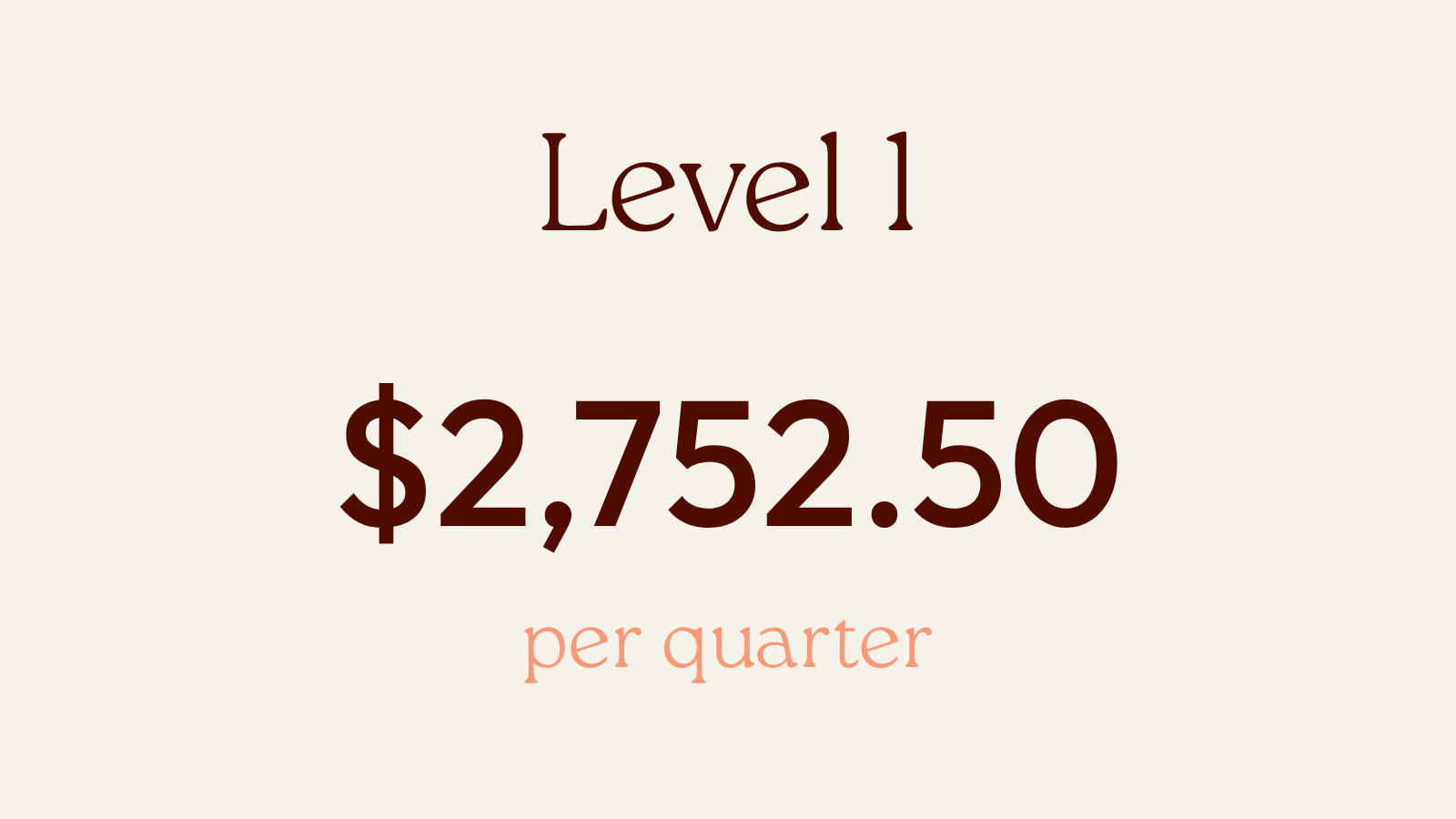
Typically suits people who are largely independent but benefit from occasional help around the home, such as cleaning, laundry, or meal preparation.
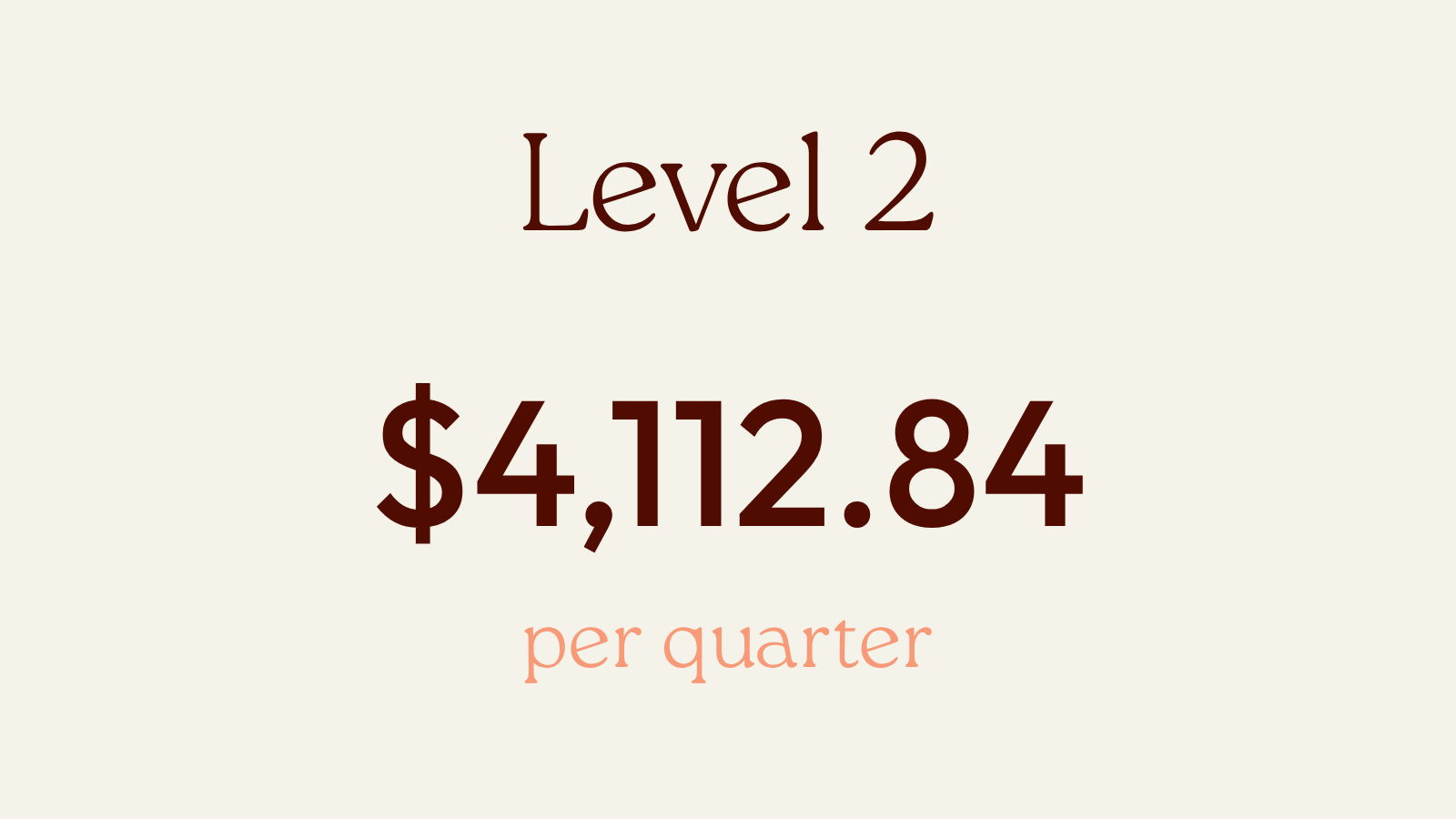
Often includes a mix of household tasks and personal care support. For example, help getting to appointments, personal grooming, or weekly domestic help.
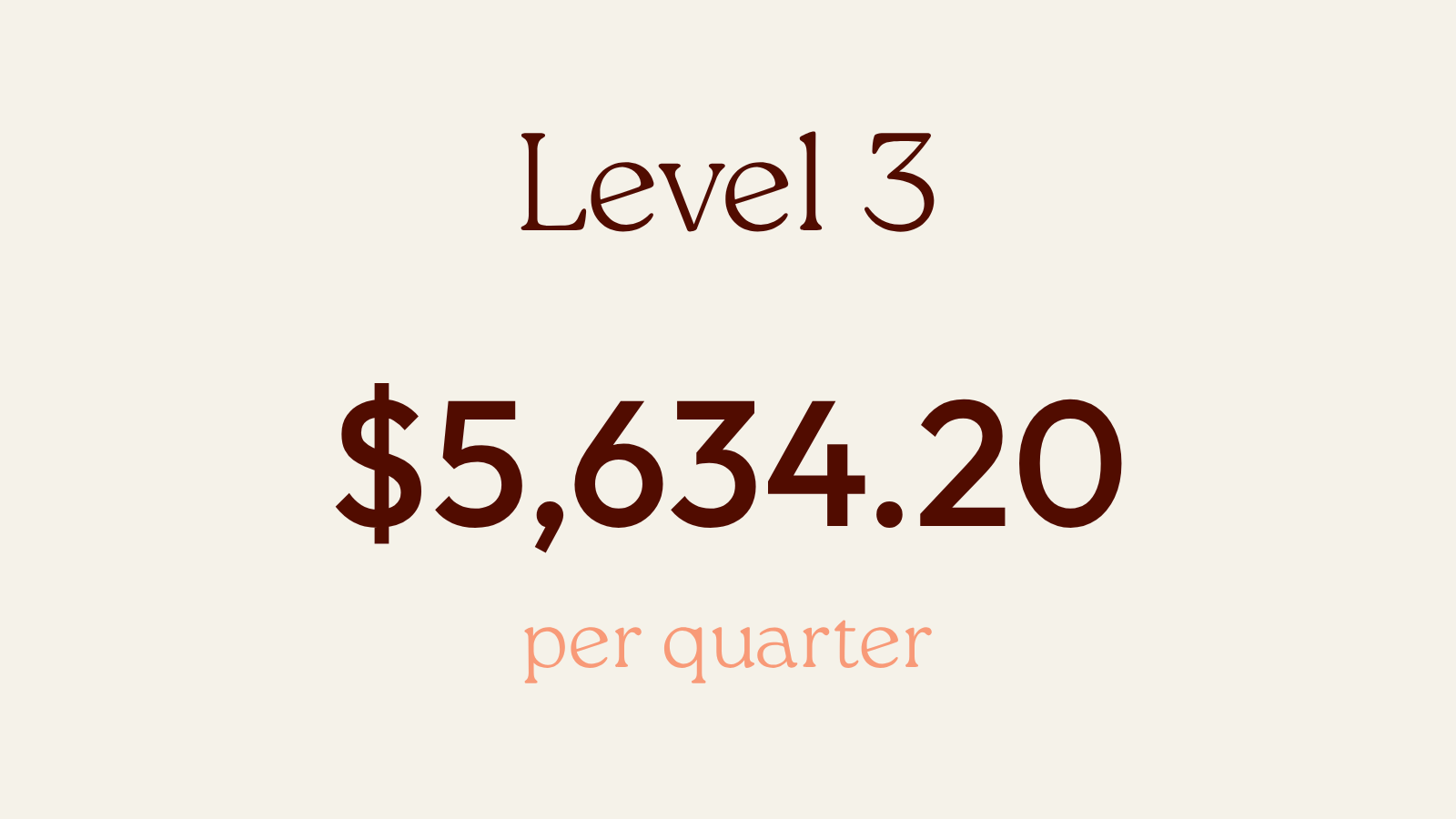
Commonly observed with people who need more structured daily or weekly support, such as showering assistance, mobility help, or management of equipment needs.
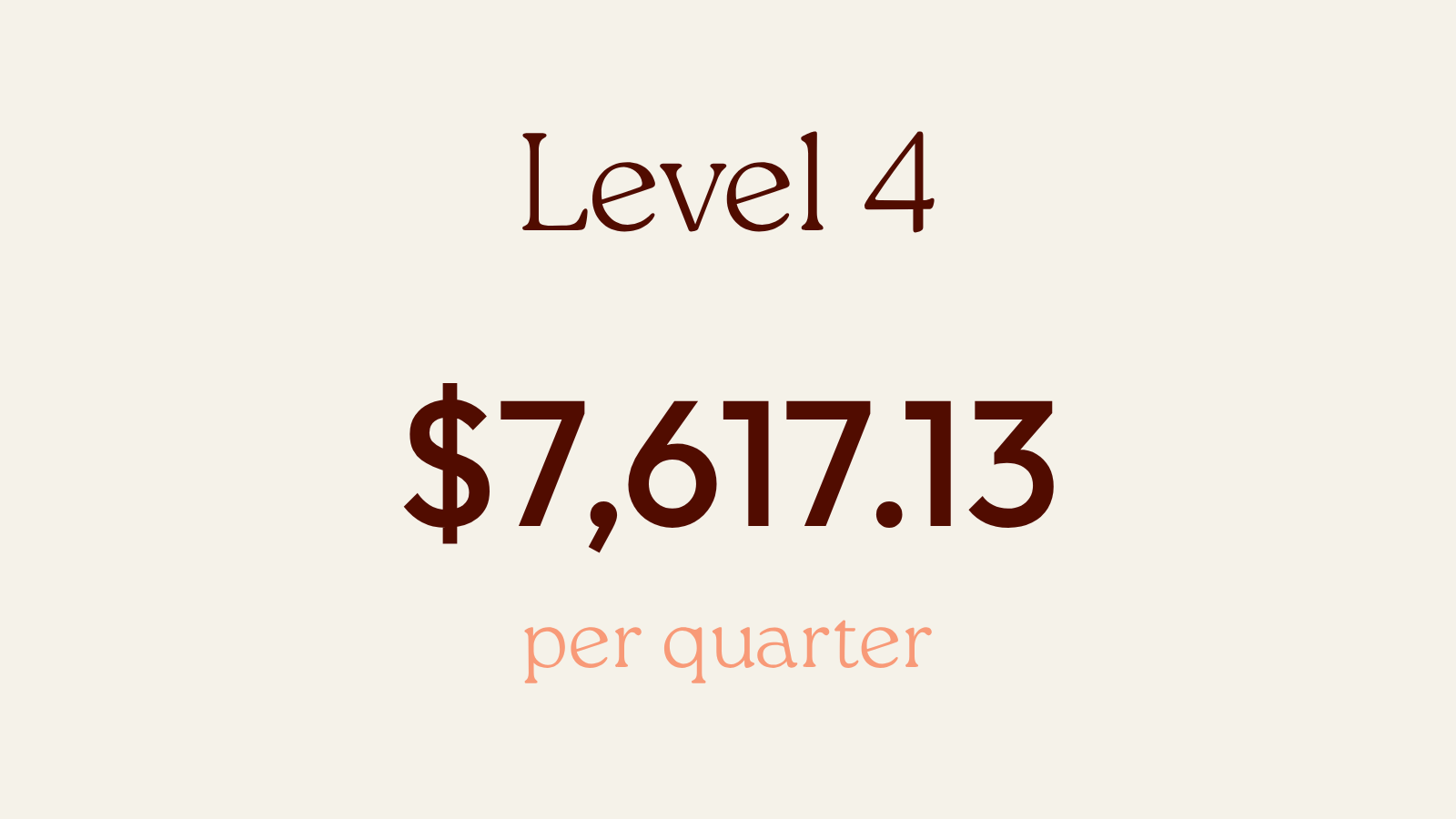
Typically involves regular support across both personal care and household tasks, with some coordination needed to maintain independence and safety at home.
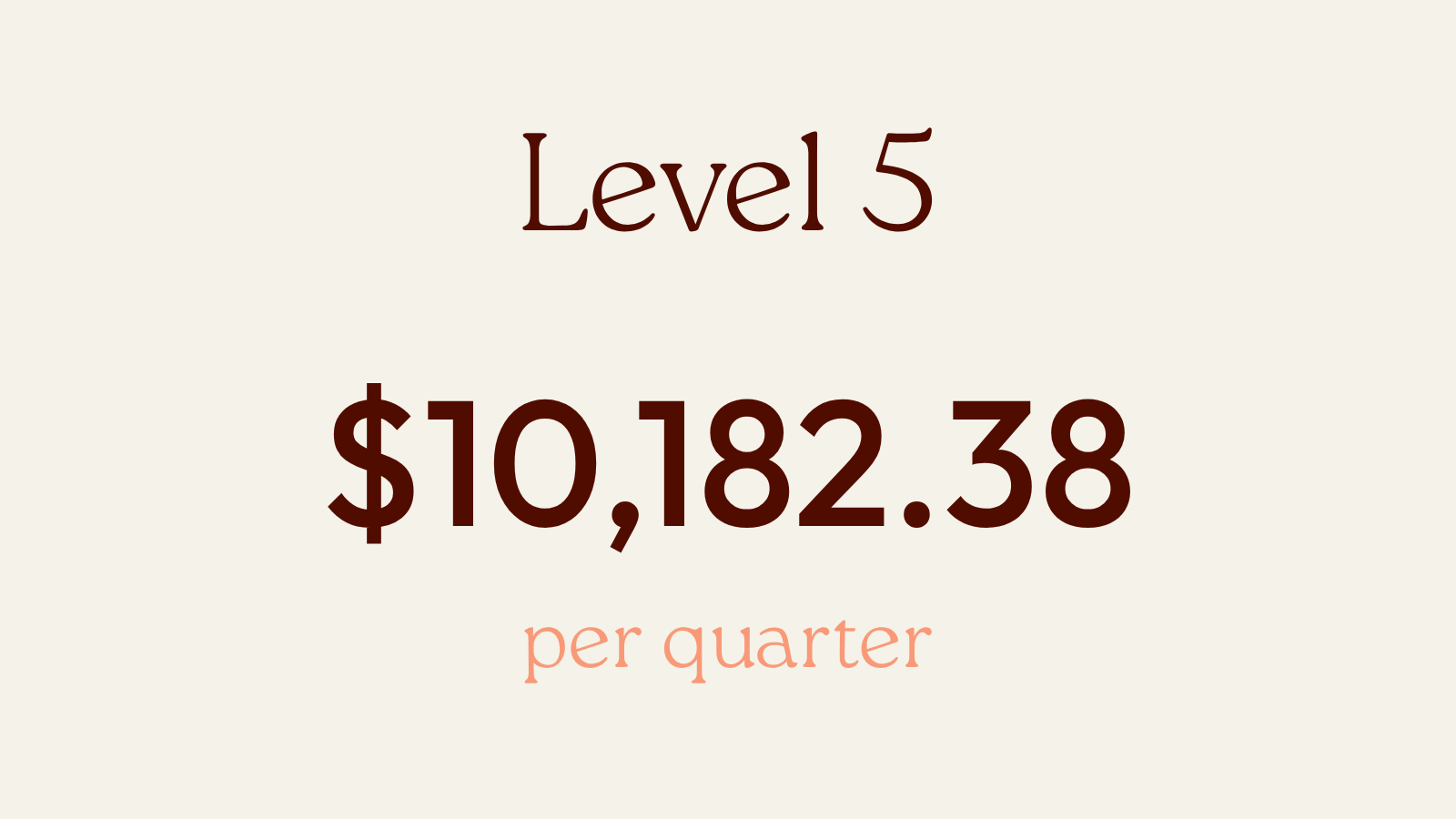
Often includes daily personal care alongside care coordination. For example morning routines, medication prompting, and regular check-ins from a coordinator.
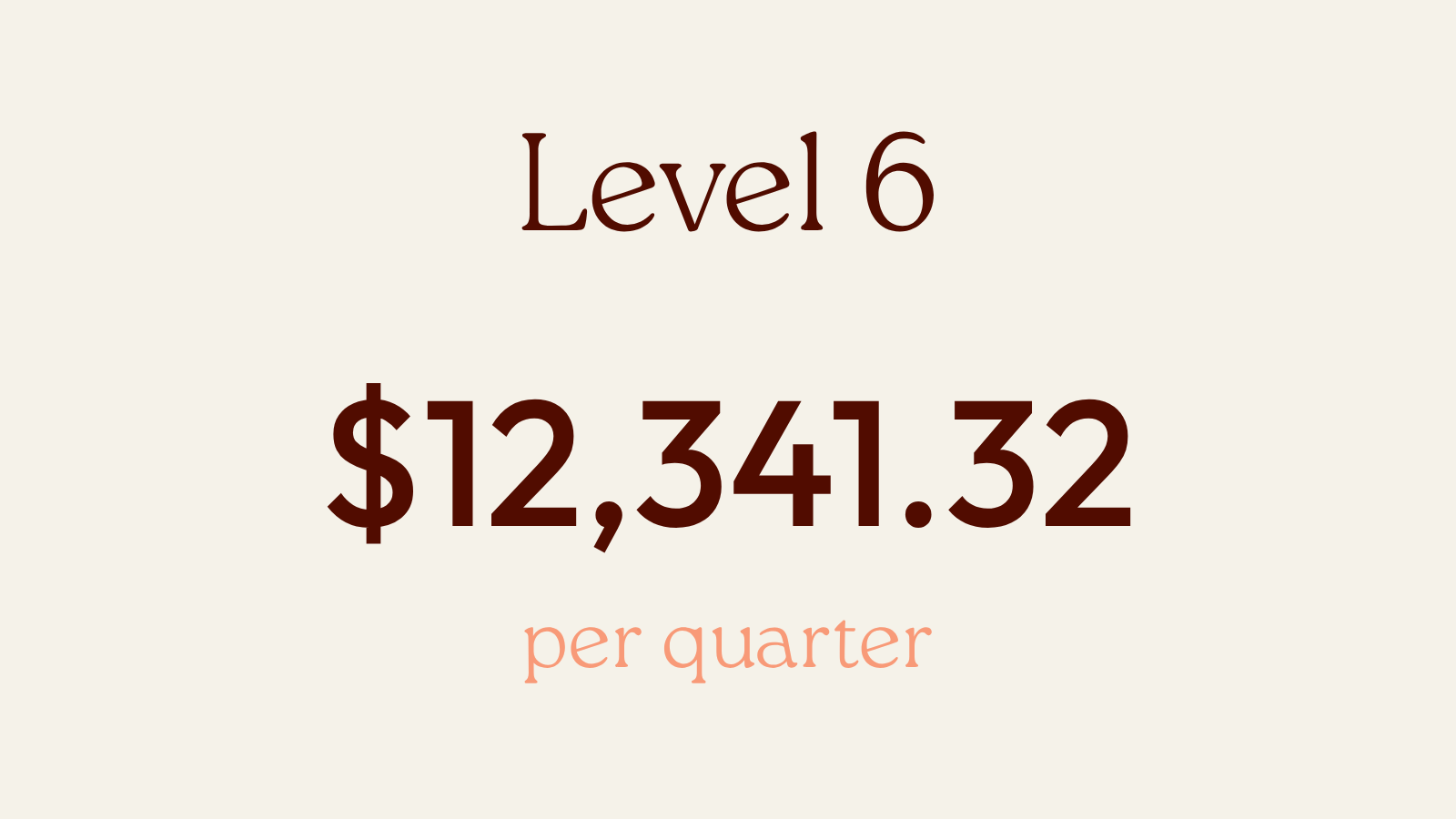
Typically observed where both nursing and personal care are needed consistently, such as wound care, allied health visits, and daily support with activities of daily living.
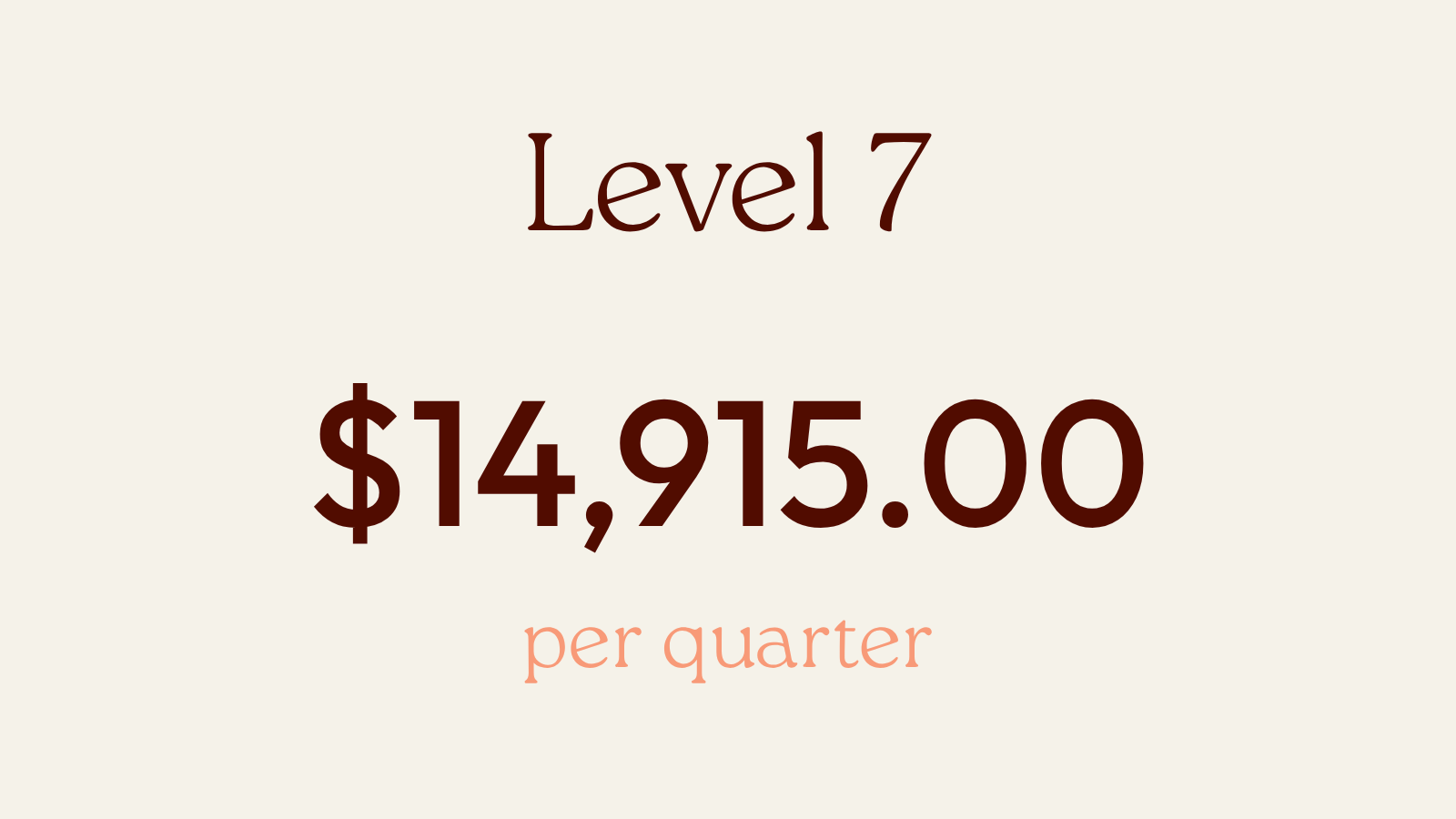
Commonly suits people with multiple or complex health conditions requiring daily support across clinical, personal care, and household needs, often with specialist involvement.
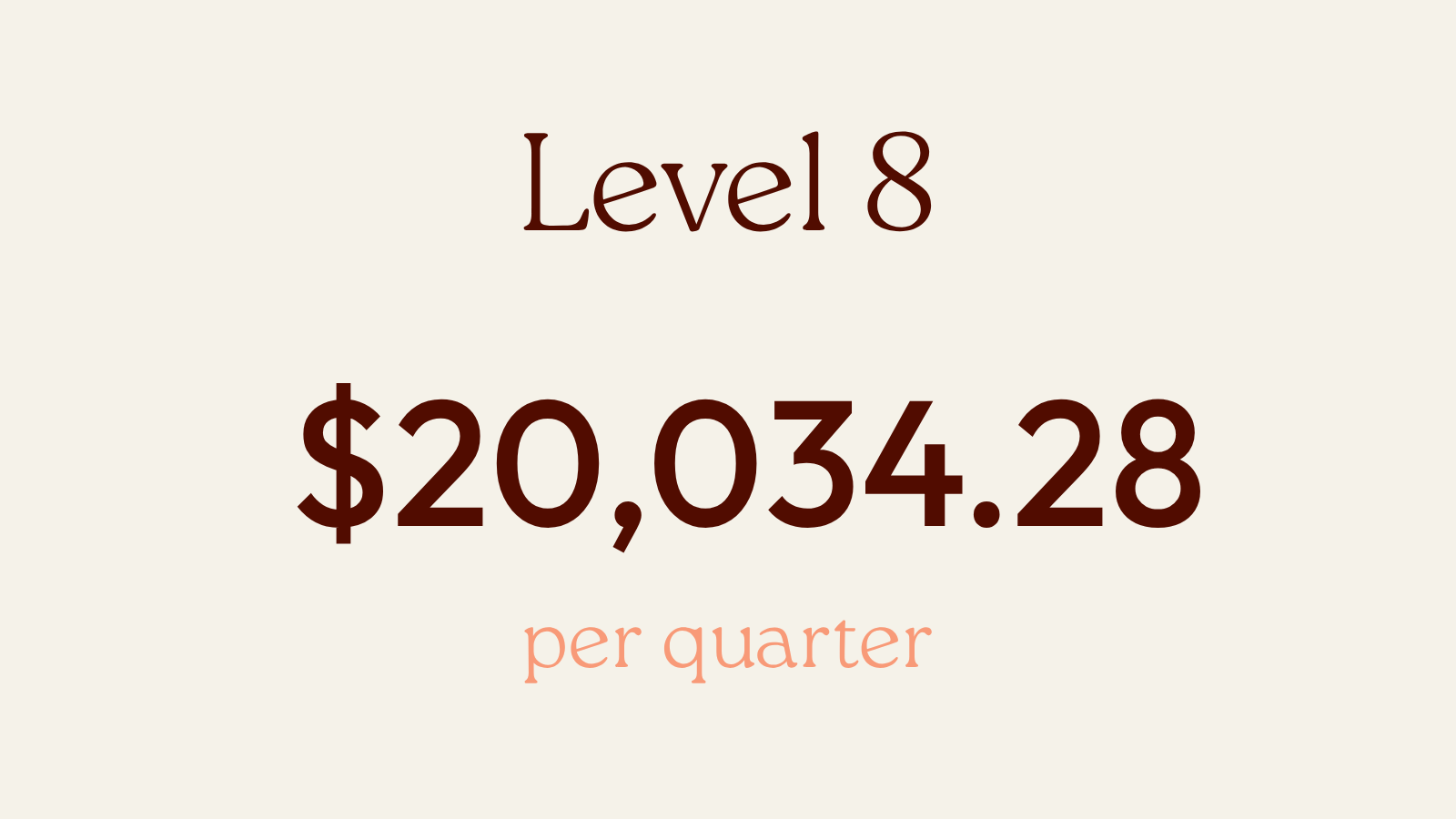
Typically reflects the highest care needs such as advanced nursing, palliative care support, or around-the-clock assistance for people with significant health, chronic or mobility challenges.
If you’re already receiving Home Care Package funding, you will likely move to the same funding level in the Support at Home classification.
Under the “No Worse Off” principle, if you were assessed or were given a Home Care Package before 12 September 2024, you won’t pay more than you did under the previous system. If you already pay fees, your contribution will be the same or lower. If you are a full-rate pensioner who didn’t pay fees before, you still won’t pay fees.
If you were assessed after 12 September 2024, different funding rules apply, so the “No Worse Off” principle won’t apply in the same way. Your contribution (if any) will depend on your income and the type of service.
The information below shows the quarterly and annualised amounts for transitioned HCP participants. This is indexed on 1 July each year.
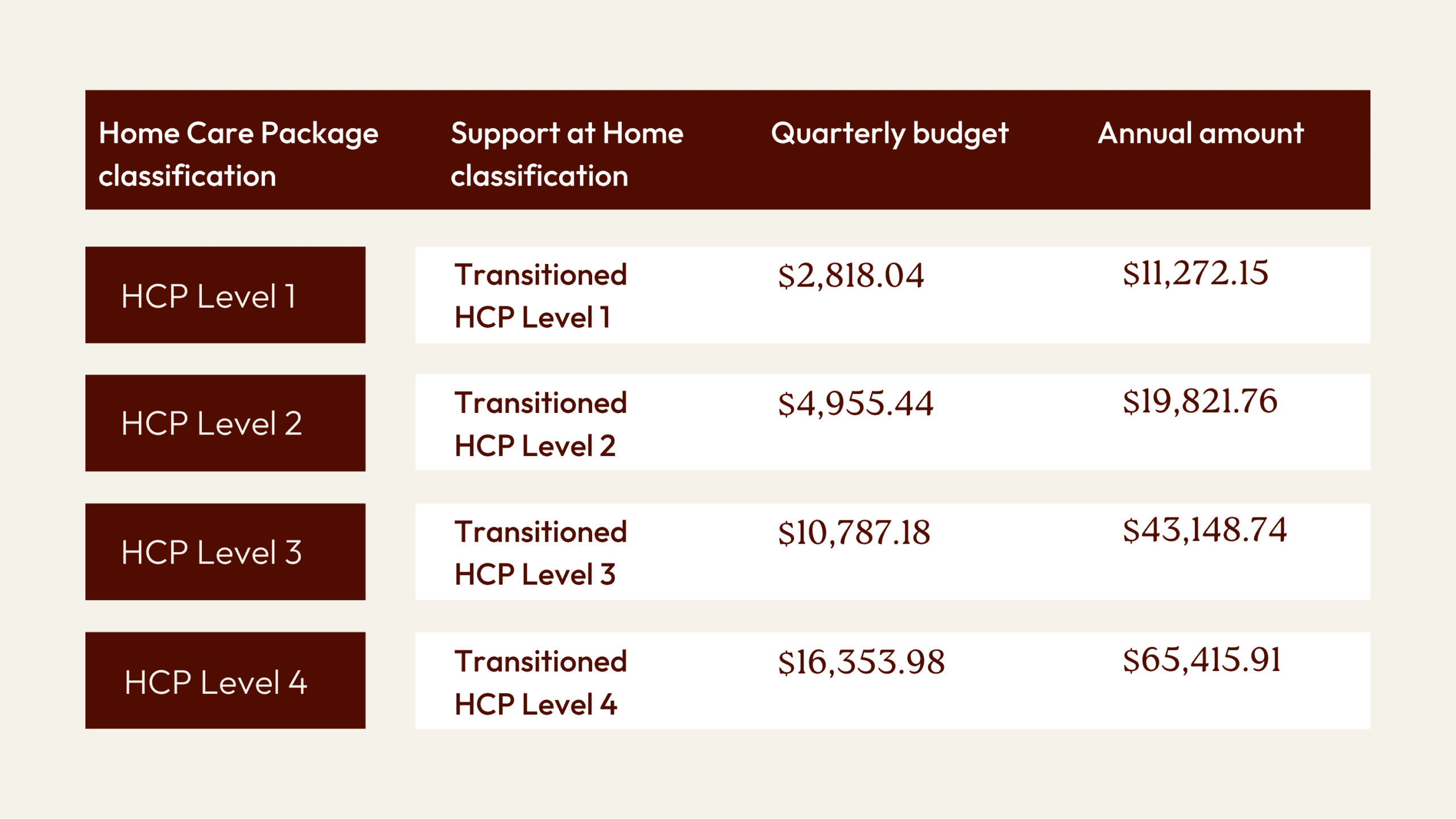
If you transitioned from a Home Care Package to Support at Home, any unspent HCP funds remain available for your care and support. These funds can be used for approved assistive technology, home modifications, or additional services once your full quarterly Support at Home budget has been used.
There is no carryover limit on unspent HCP funds. If you change Support at Home providers, your remaining balance will transfer to your new provider.
What you pay will depend on your financial circumstances and the type of services needed. An income assessment will determine whether you are required to contribute to service costs.
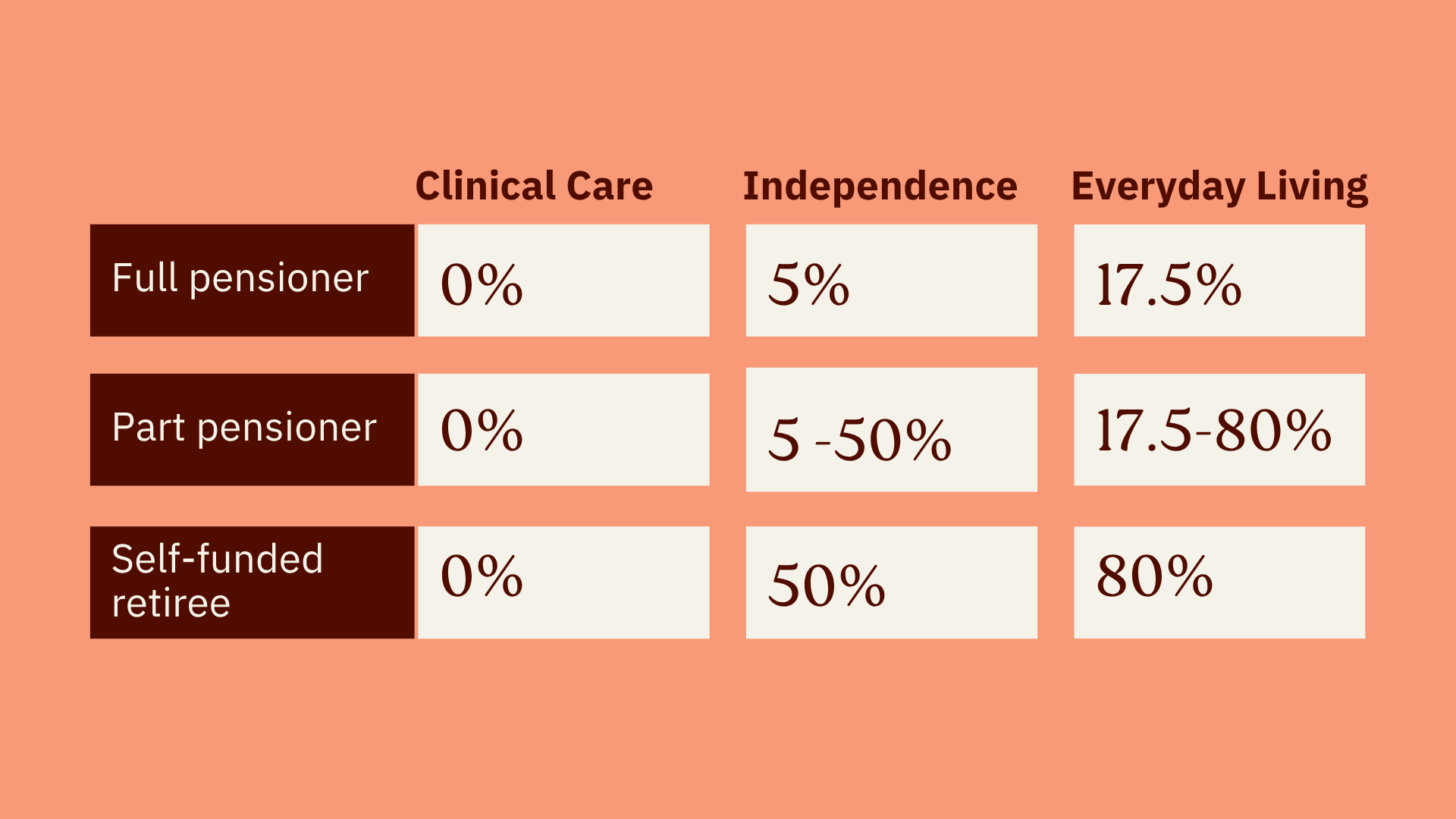
Not sure what Support at Home looks like in practice? Here are a few realistic scenarios to help you understand what your care and costs could look like.
Lives alone, needs help with cleaning and shopping.
Lives alone, recovering from a hip replacement, needs nursing and physio.
Complex health needs, daily care required
Both transitioned from HCP Level 3

A trusted support provider in Australia since 1997, Kanda is known for delivering compassionate and reliable care.
Our Support at Home experts can help you transition to Support at Home. Whether you are already approved for a Home Care Package or in the National Priority System waiting for a Home Care Package allocation we can answer your questions and explain what to expect.
We’ll guide you through your options, help with planning and paperwork, and ensure you keep the support you rely on without disruption or confusion.
Under the Support at Home program, you can still choose your own care provider. Kanda is a trusted Support at Home provider with local teams ready to help you through the changes that come with the move to Support at Home.
File size: 92 KB
File type: PDF
File size: 98 KB
File type: PDF
File size: 104 KB
File type: PDF
The Statement of Rights sets out the rights of older people in aged care and supports safe, high-quality service delivery.
The Aged Care Code of Conduct explains how aged care workers and providers are expected to behave when delivering care.
The Aged Care Quality Standards define what good care looks like.
The Department of Health, Disability and Ageing’s booklet for older people, family and carers.
Read about the Single Assessment System on the Department of Health, Disability and Aging website
If you can’t afford to pay your fees or contribute to your care costs, you can apply for financial hardship assistance through Services Australia.
An aged care needs assessment identifies the support a person needs and what services they may be eligible for.
Important changes to aged care to ensure older Australians receive the safety, dignity and respect they deserve.



We know the transition to a new system can feel overwhelming, but you don’t have to navigate it alone. Our team is here to explain your options, guide you through assessments, and make sure you and your family feel supported every step of the way.