Kanda and the Sanctuary Model of trauma informed care
At Kanda, we have achieved certification in The Sanctuary Model - a trauma-informed model of care. Kanda is one of the organisations that has achieved the Australian adaptation of Sanctuary, which includes 29 standards and 8 commitments. Sanctuary provides a framework that supports our community to promote emotional, social, moral, physical and cultural safety for everyone.
We've now integrated the Sanctuary Model into our programs at Children, Youth and Family Services.
What is the Sanctuary Model?
The Sanctuary Model is a trauma-informed model of care developed in the 1980s by Dr. Sandra Bloom and her colleagues. Originally designed for mental health and social services, it came from understanding the impact of trauma on individuals and also the systems that care for them. The Sanctuary Model is a structured approach that empowers organisations to create safe and healing environments.
At its heart, the Sanctuary Model is a way of working together. It helps us build stronger, more compassionate communities.

The 4 Sanctuary domains
The Sanctuary Model of trauma-informed care is made up of 4 domains:
- Understanding Trauma
- The S.E.L.F Framework
- The 8 Commitments, and
- The Sanctuary Toolkit
By adopting the Sanctuary Model, the Children, Youth and Families Services team at Kanda is even better equipped to provide our clients with understanding and compassion so we can equip them with the tools to address the impact of past trauma, adversity and chronic stresses.
The journey to achieving certification had an immense, positive impact on our team and the way we work with our clients.
Why trauma-informed care is more important than ever
As a society we’ve become more aware of the importance of mental health and wellbeing. In that context, trauma-informed care is essential. It helps organisations respond to complex social challenges with compassion rather than control.
A trauma-informed model of care built on compassion and connection
At Kanda, we understand that many behaviours and challenges are responses to past experiences. Our team sees beyond the behaviour to understand what happened to people, for this to become their normal.
Sanctuary encourages compassion rather than judgement and connection rather than control. The work we’ve done and continue to do acknowledges that healing happens within relationships. Everyone benefits from an environment that supports safety, trust and empowerment.
Why Kanda has embraced The Sanctuary Model across its services
The Sanctuary Model aligns deeply with Kanda’s values of respect, empathy and inclusion. We understand that trauma can shape behaviour, relationships and wellbeing in profound ways. The Sanctuary approach gives our Children, Youth and Family Services team a shared language and consistent framework to respond with care, rather than punishment or exclusion.
The Sanctuary Model in everyday practice at Kanda
At Kanda, the Sanctuary Model influences everything from staff meetings to client interactions. Our Children, Youth and Families team uses the principles to guide communication, resolve conflict, and ensure that everyone feels safe and heard. It’s a daily practice that creates a safe environment so as individuals we can improve focus and celebrate action and achievement.
Understanding trauma and its impact
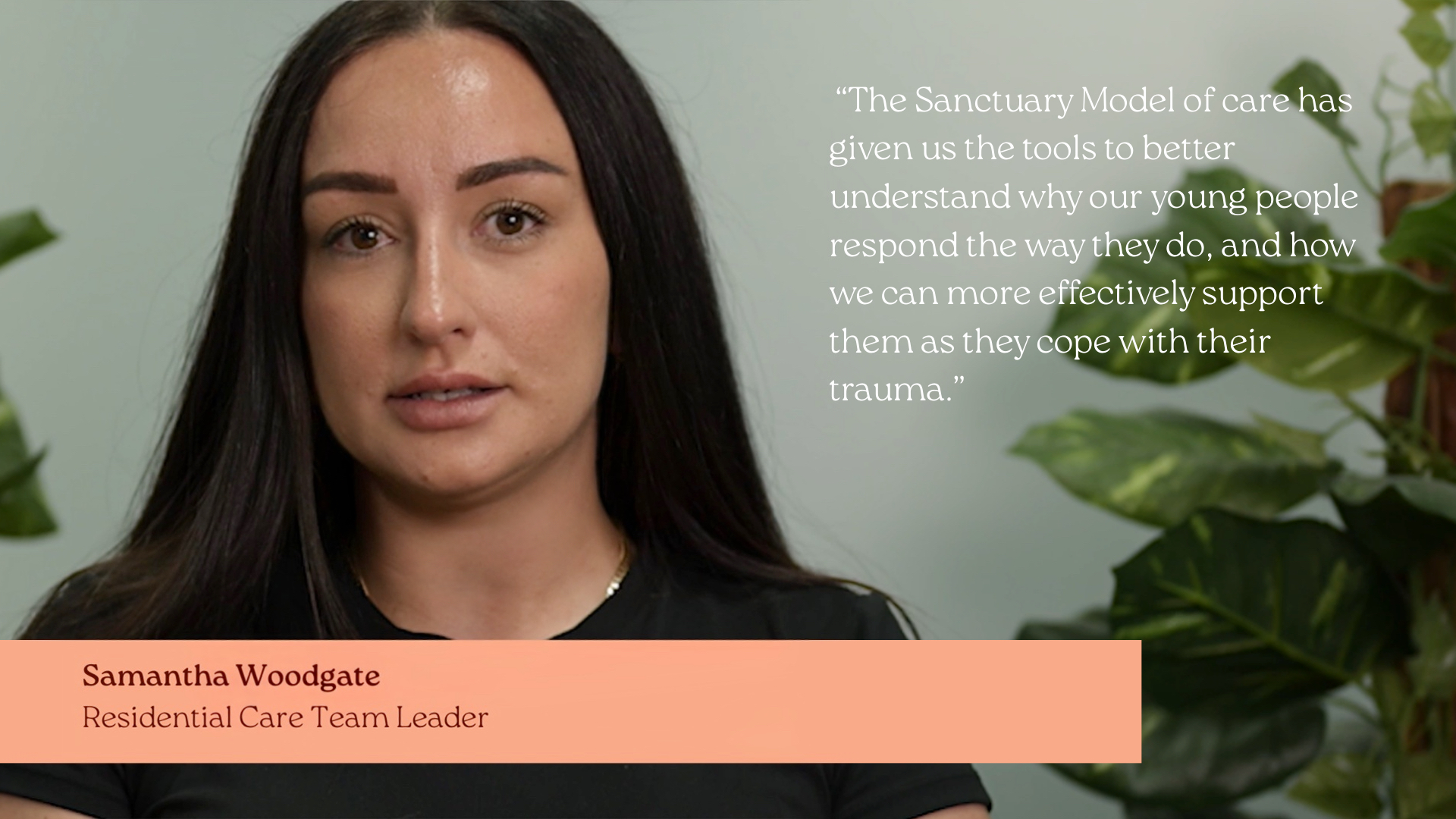
A trauma-informed organisation recognises the widespread impact of trauma and understands potential paths for recovery. It acknowledges the signs of trauma in clients, families, staff and communities, and integrates this knowledge into policies, procedures and practices. Being trauma-informed means shifting the question from “What’s wrong with you?” to “What happened to you?”. It’s a subtle but powerful change that transforms care.
Recognising the lasting effects of trauma on wellbeing and behaviour
Trauma can have lifelong effects on physical health, emotional wellbeing, memory, relationships and our ability to trust others. People who have experienced trauma often live with heightened alertness, fear or avoidance. Understanding these responses helps Kanda provide support that is empathetic and effective, reducing the risk of re-traumatisation and promoting healing.
Creating a culture of safety, trust and healing
The Sanctuary Model helps build a culture where everyone feels physically and emotionally safe. Through open communication and consistent practices, staff and clients learn to trust one another. This sense of safety is the foundation for growth and change.
The SELF framework – safety, emotion, loss and future
SELF stands for Safety, Emotion, Loss and Future. This framework encourages reflection and shared understanding of where people are in their healing journey.
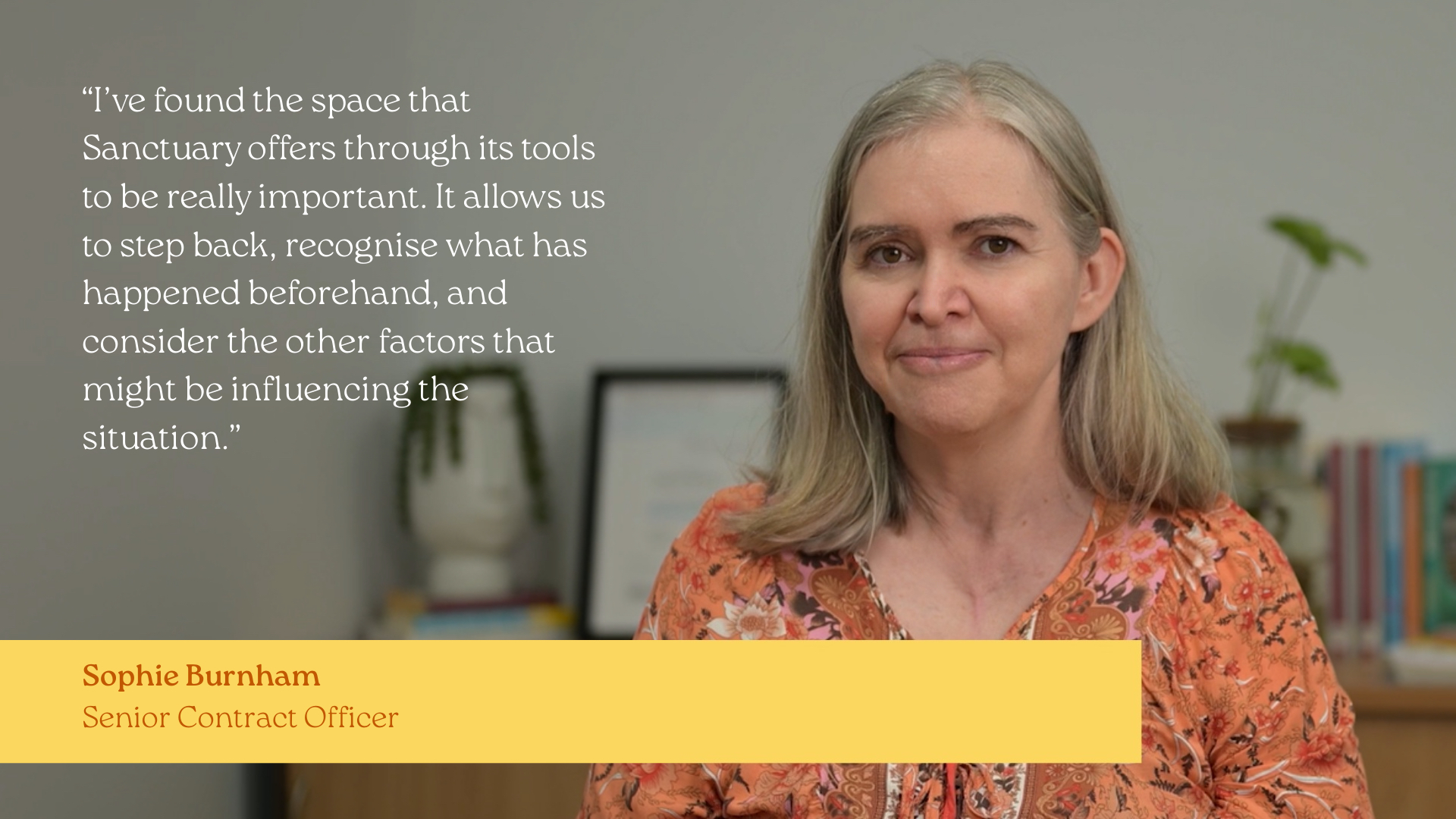
It’s a practical way to guide conversations and support recovery by starting with the goals you want to achieve (Future) and identifying what is having an impact (Safety, Emotions and Loss). This allows you to address any and all concerns and strive towards a Future of your choosing.
SELF is a framework that applies equally in a team meeting or when working with a client.
Safety – building secure, respectful environments for everyone
Safety comes first. There are 5 types of safety: physical, social, moral, psychological and cultural safety. In practice, safety might look like predictable routines, respectful boundaries, and spaces where people feel seen and heard without fear of judgment.
Emotion – understanding and managing our feelings
Trauma can often disrupt our ability to regulate emotions. The Emotion pillar helps people identify, express and manage their feelings in healthy ways. Through their understanding of the Sanctuary Model principles, staff from the Kanda Children, Youth and Family Services team model emotional intelligence and support clients to develop these skills too.
Loss – acknowledging grief and change as part of growth
Every story of trauma includes loss—of trust, relationships, safety or opportunities. Recognising loss allows people to grieve and to rebuild. The Sanctuary Model encourages open conversations about grief, helping individuals and teams move forward together.
Future – helping people imagine and work towards a better tomorrow
Healing includes hope. The Future pillar helps people set goals and see beyond their trauma. It’s about imagining possibilities, nurturing resilience and creating positive plans for the days ahead.
How SELF guides everyday conversations at Kanda
Kanda staff use SELF language to structure reflective practice and guide our conversations. Within the programs offered by Kanda’s Children Youth and Families Services, the principles of SELF provide a framework for supervision, debriefing and care planning. Having SELF as a framework helps everyone stay focused on safety and healing, emotional understanding, acknowledging loss and building hope.
The 8 commitments of the Sanctuary Model
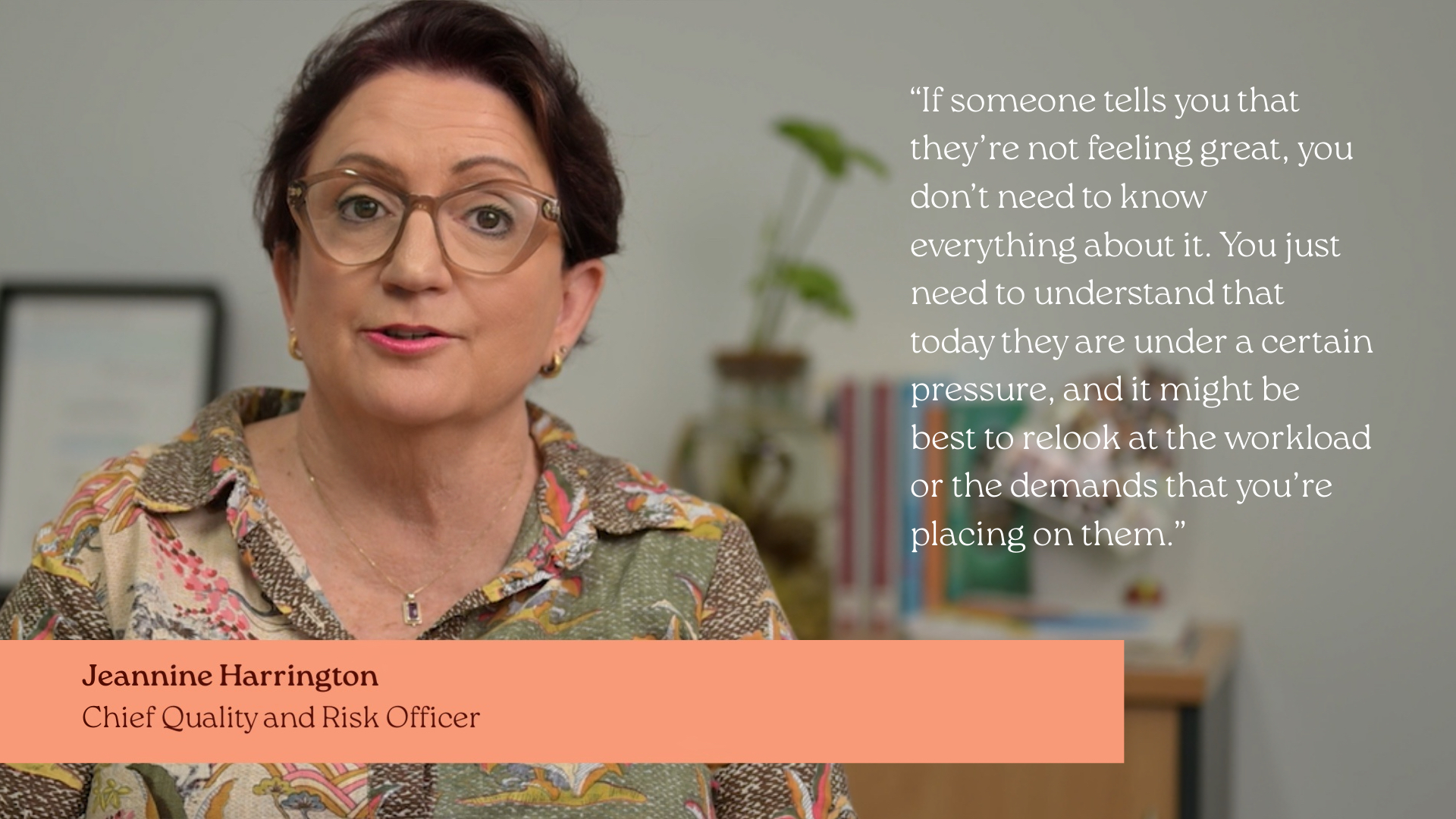
The Sanctuary Model is built on 8 organisational commitments that guide behaviour and relationships. These commitments shape how our people interact and make decisions.
Non-Violence – fostering physical, emotional and moral safety
Commitment to non-violence means promoting kindness and respect in every interaction. It focuses on maintaining environments free from harm, intimidation or neglect.
Emotional Intelligence – recognising and managing our feelings
By developing emotional awareness, staff and clients learn to respond thoughtfully rather than react impulsively. Emotional intelligence supports empathy, patience and understanding.
Social Learning – learning from experience and from each other
Mistakes become opportunities for growth. Social learning encourages reflection, sharing and teamwork so that everyone benefits from collective wisdom.
Democracy – ensuring every voice is heard
In a democratic workplace, everyone’s perspective matters. Teams make decisions collaboratively, valuing diverse views and experiences.
Open Communication – promoting honesty with kindness
Transparency builds trust. The commitment to open communication encourages staff and clients to speak honestly while remaining respectful and compassionate.
Social Responsibility – taking ownership and supporting one another
Social responsibility reminds us that our actions affect others. It encourages accountability and teamwork across all roles.
Growth and Change – embracing progress and hope for the future
Change is not only possible—it’s expected. The Sanctuary Model celebrates progress, resilience and continuous learning.
Cultural Humility – respecting diversity and shared wisdom
Cultural humility acknowledges that no one has all the answers. It invites curiosity, respect and an ongoing commitment to learning from the communities we serve. Cultural humility means we applying cultural wisdom, engagement, and unity in all facets of our work including identifying gaps to support a culturally responsive practice.
What Kanda’s Sanctuary Certification means for the people we support
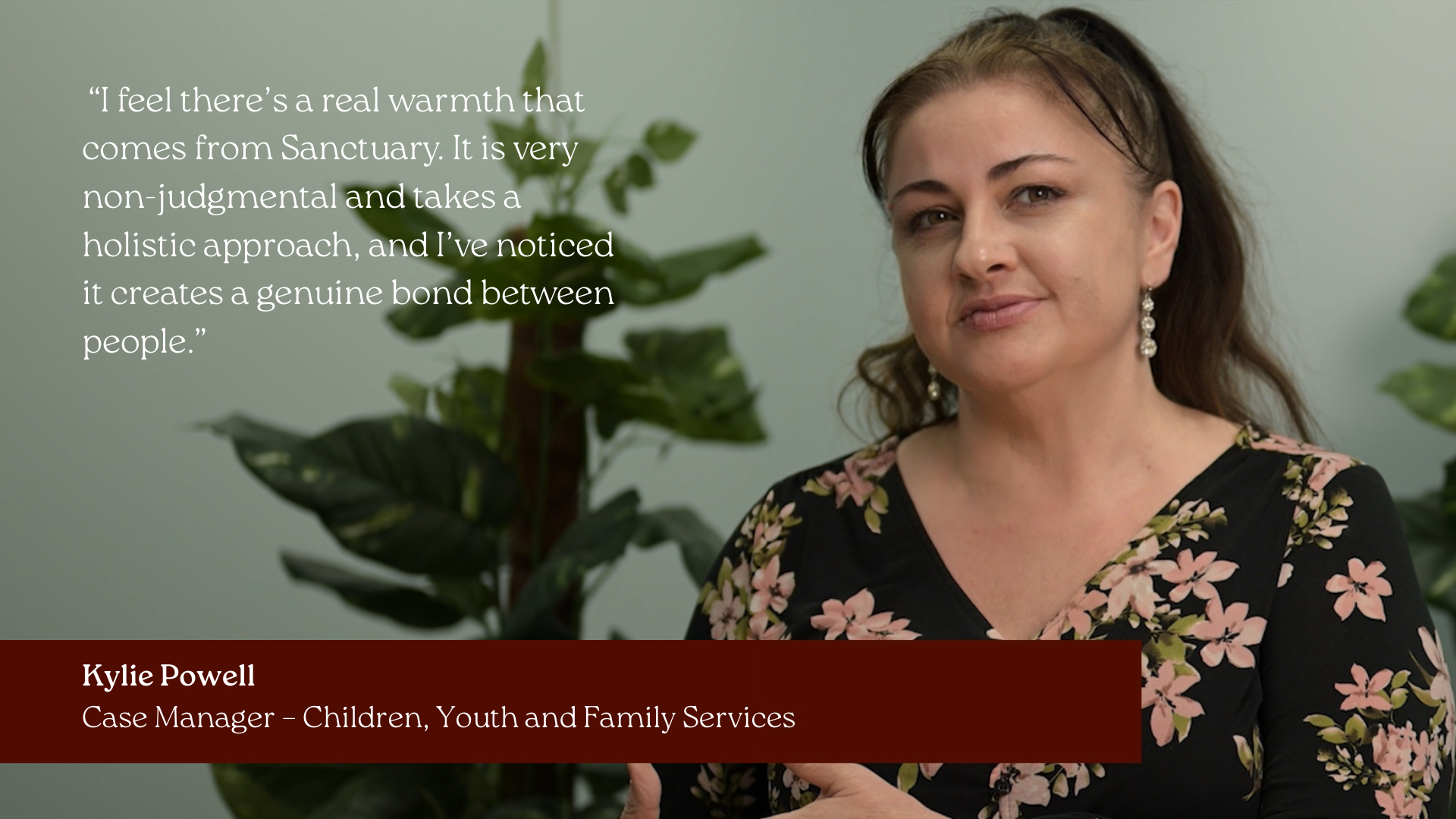
Every person we support can trust that we will have the Sanctuary principles at the core of everything we do – the 4 pillars (SELF) and the 8 commitments.
How our teams are trained to live and breathe the Sanctuary principles
The Sanctuary commitments are built into everything our Children, Youth and Families team does. Our staff receive ongoing training, reflective supervision and peer support to keep the Sanctuary Model alive. A shared language and commitment strengthen both professional and personal growth.
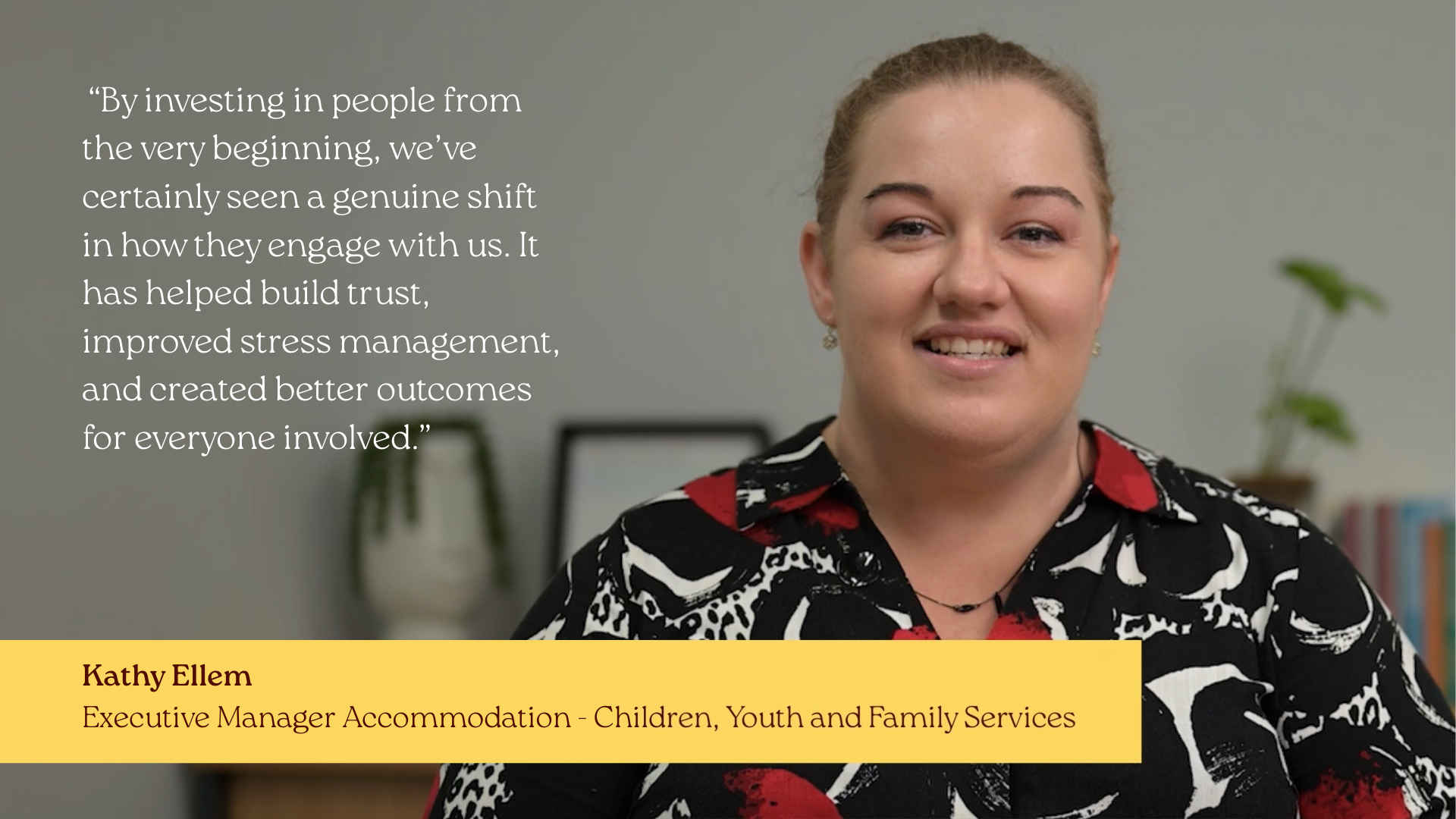
How Kanda Children, Youth and Family Services bring the Sanctuary Model to life
Sanctuary principles underpin all our work with children, young people and families. Staff use the model to understand behaviours, foster positive relationships and promote recovery.
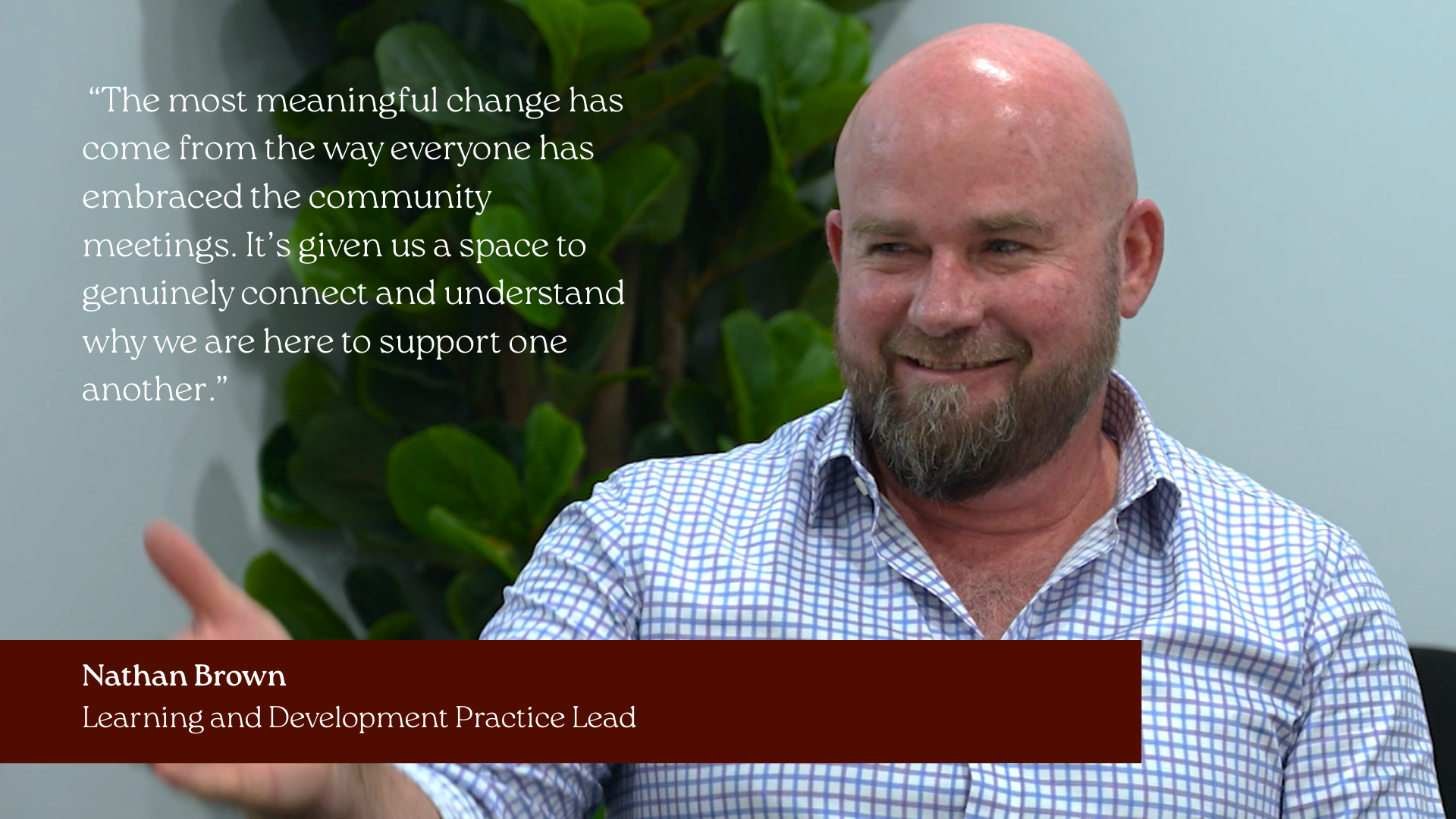
Community Meetings – promoting connection and understanding
Regular community meetings give staff and clients a voice in shaping their environment. They build belonging, reduce isolation and encourage open dialogue.
Self-Care Plans – empowering wellbeing and resilience
Every staff member and client is encouraged to develop a personal self-care plan. This practice promotes awareness of stress, encourages healthy coping strategies and supports wellbeing.
The Sanctuary Toolkit – practical tools that make a difference
From safety plans to SELF worksheets, the Sanctuary Toolkit provides simple, accessible resources to help people apply trauma-informed thinking in real time.
Real-life examples of Sanctuary in action across Kanda
Across our programs, we see Sanctuary in action every day—in calm de-escalations, reflective team conversations and moments of kindness that rebuild trust and hope.
Why the Sanctuary Model matters for communities and families
Trauma-informed care reduces burnout, improves relationships and strengthens outcomes for clients. It helps professionals understand how trauma affects emotions and behaviors, allowing for tailored approaches that foster healing rather than causing further distress.
Building stronger, more connected communities
When organisations model compassion and accountability, they help shape communities where people look out for each other. We’ve seen first hand that ‘Sanctuary thinking’ extends beyond the workplace. It influences how people relate in families, schools and communities.
Helping families and carers understand trauma responses
Families who understand trauma can respond to challenging behaviour with empathy rather than frustration. The Sanctuary approach provides tools for carers to stay connected, even in moments of stress.
Creating safer spaces for healing, learning and growth
Ultimately, the Sanctuary Model helps staff, clients and communities feel safer, more valued and more hopeful about the future.
How Kanda continues to lead with compassion and innovation
Kanda is proud to be one of the organisations that have achieved the Australian adaptation of Sanctuary that includes 29 standards and 8 commitments, for our Children, Youth and Family Services team. This achievement recognises our commitment to trauma-informed care at every level of service delivery.
Setting a new benchmark for trauma-informed care in Australia
By achieving certification, Kanda has set a new national standard for trauma-informed practice. We’re proud to lead the way in creating compassionate, resilient communities of care.
At Kanda we continue to invest in training, research and collaboration to ensure that trauma-informed principles guide our future work. Reach out to the team at Kanda if you'd like to find out more about the Sanctuary Model and how it underpins everything we do.