Why NDIS Community Participation Matters
NDIS community participation is more than attending activities. It helps people build real connections, develop skills, and improve daily life.
People who take part in regular community activities report higher satisfaction with their quality of life. The NDIS supports this by funding access to social, recreational, and skill-building opportunities.
At its core, community participation helps open pathways to Friendships, Employment opportunities & Greater independence
Looking to get more out of your NDIS community participation funding?
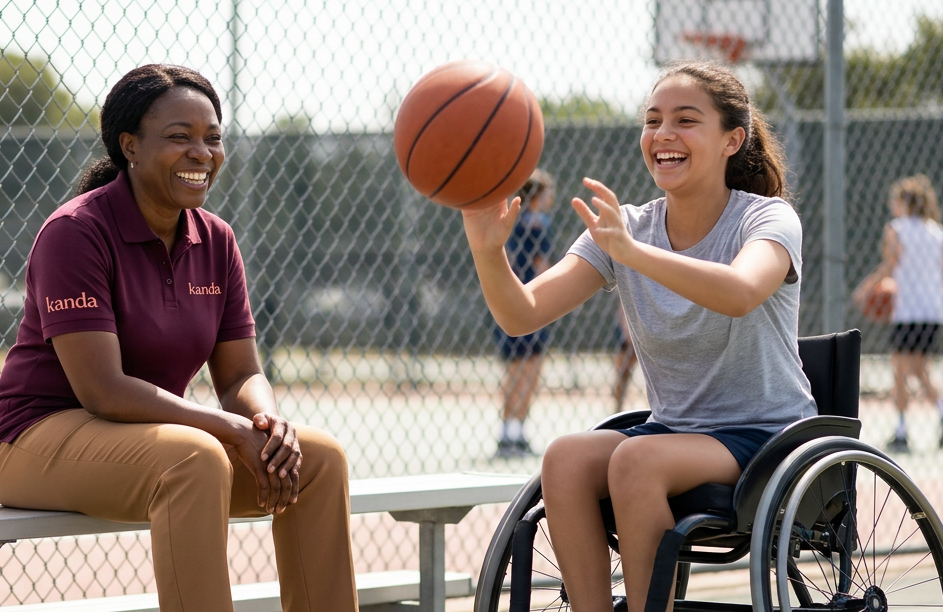
Our NDIS social and community participation support helps you stay connected and actively involved in your community. We offer a range of group activities and community service opportunities designed to build confidence, strengthen relationships, and support independence. Our programs are tailored for people with physical, intellectual, or sensory disabilities, making it easier to engage in meaningful activities, develop social skills, and enjoy everyday life.

Understanding the Social Model of Disability
The social model of disability explains why community participation is so important.
It separates:
- Impairment – a person’s condition
- Disability – the barriers created by society
Barriers can include:
- Inaccessible buildings
- Limited transport options
- Social attitudes and exclusion
The NDIS supports a shift away from “fixing the individual” and instead focuses on removing these barriers so people can fully participate in everyday life.
The Benefits of NDIS Community Participation
Regular participation leads to clear, measurable outcomes.
Improved Employment Outcomes
Participation in work for younger NDIS participants has increased significantly over time.
Stronger Social Connections
Participants report reduced isolation and stronger social networks.
Better Family Well-being
Caregivers often experience less stress when participants engage in regular activities.
Greater Choice and Control
Most long-term participants report improved independence and decision-making.
How the NDIS Funds Community Participation
NDIS community participation is funded through two key support categories.
Core Supports (Social and Economic Participation)
Covers support workers who help you attend activities and engage in the community.
Capacity Building Supports
Focuses on developing skills for long-term independence, such as:
- Social skills
- Communication
- Using public transport
- Building confidence in group settings
How to Create an NDIS Community Participation Plan
A strong NDIS community participation plan improves your chances of approval and better outcomes.
1. Assess Your Current Situation
Start with a clear view of where you are now:
- Current social connections
- Accessibility needs
- Transport options
- Budget limits
This sets the foundation for realistic planning.
2. Identify Local Opportunities
Look for programs close to home.
Local Area Coordinators can help you find:
- Sports and recreation programs
- Arts and cultural groups
- Volunteer opportunities
- Skill-based workshops
Most areas have a wide range of accessible options available.
3. Set Clear Goals
Clear goals improve plan approval and outcomes.
Instead of vague goals, use specific ones like:
- Attend two activities per week
- Join a local group within three months
Clear, measurable goals make it easier to show progress.
What Is Innovative Community Participation?
Innovative community participation focuses on building independence through real-world experiences.
It goes beyond traditional services and supports:
- Community integration
- Skill development
- Confidence building
Examples include:
- Inclusive sports programs
- Tech-based social groups
- Volunteer or community projects
- Small business or social enterprise activities
Support workers often work alongside participants to build confidence before stepping back over time.
Overcoming Common Barriers
Transport Challenges
Transport is one of the biggest barriers.
Options include:
- Public transport training with a support worker
- Planning activities during quieter times
- Gradually building independence
Building Confidence
Confidence can limit participation.
A simple approach works best:
- Start with one-on-one activities
- Move to small groups
- Progress to larger social settings
This helps build skills without overwhelm.
The Benefits of Self-Managing Your NDIS Funding
Self-management gives you more control over your supports.
You can:
- Choose both registered and unregistered providers
- Negotiate pricing
- Hire people who match your interests
But it also comes with responsibility. You need to:
- Keep records and receipts
- Ensure spending aligns with your plan
- Track budgets carefully
Tracking Progress for NDIS Plan Reviews
Tracking progress is key to ongoing funding.
You should document:
- Attendance at activities
- Skills developed
- Social improvements
Useful evidence includes:
- Photos
- Certificates
- Notes or progress reports
This helps show that your supports are effective and necessary.
Final Thoughts on NDIS Community Participation
NDIS community participation can lead to real, lasting change.
With the right plan, clear goals, and consistent effort, it can help move from isolation to active involvement in the community.
Start small, stay consistent, and focus on what matters most to you.
Want help building a community participation plan that actually works for you?
Contact us and our team will guide you through your options and next steps.