
Skip to main content Skip to main navigation
Portrait of a senior woman in her home with our approved My Aged Care provider badge

Support at Home (SaH)

Support at Home is the Australian Government's new aged care funding program, helping older Australians receive professional care in the comfort of their own home. Here's everything you need to know about eligibility, costs, and how to get started.

Support at Home replaced Home Care Packages from 1 November 2025

On 1 November 2025 the Support at Home (SaH) program began, replacing the Home Care Packages (HCP) and Short‑Term Restorative Care (STRC) arrangements. This new government initiative will bring at-home aged care services under one simpler, more flexible system.

If you’re looking for a Support at Home provider who puts your needs first, Kanda has the experience, compassion and local knowledge to make the journey easier.

What is Support at Home?

Support at Home is a new government at-home aged care program. It’s designed to help older Australians stay safe, comfortable and connected in the homes they love.

If you’re eligible, you’ll get funding to spend on services like nursing, help around the home, transport, mobility equipment or personal care.

Support at Home was developed in response to the Royal Commission into Aged Care Quality and Safety. By combining current in-home aged care programs, they’re building a simpler and fairer system for older people.

If you already have a Home Care Package, you will automatically transition to Support at Home on 1 November 2025. Or you can do an assessment through My Aged Care to find out if you’re eligible for Support at Home.

Support at Home eligibility

You may be eligible for Support at Home if you meet the following criteria. Assessment is arranged through My Aged Care:

  • Are aged 65 or older (50+ for Aboriginal and Torres Strait Islander people or people who are homeless or at risk of homelessness), and
  • Need some help with everyday tasks.

Learn how to apply for Support at Home from our easy guide.

How to apply for Support at Home

The step-by-step application process involves your aged care assessment and selecting a provider. Here's what to expect at each stage.

Senior woman talking on call at home while sitting comfortably in an armchair and smiling.

Step 1 - Contact My Aged Care

Visit myagedcare.gov.au or call 1800 200 422. They will ask a few questions about your situation and arrange an aged care assessment if you may be eligible.

Elderly couple enjoying a sunny afternoon by the fence

Step 2 - Complete your aged care assessment

An assessor meets with you at home to understand your needs, health situation and goals. This helps determine what level of support you may qualify for under Support at Home.

Older Australian client discussing their grandfathered Home Care Package with a Kanda Care Coordinator online

Step 3 - Receive your funding classification

If approved, you're assigned a level (1–8), short-term pathways (if applicable) and a quarterly budget. You will also receive information about your contribution, if applicable.

Kanda care coordinator speaks on th

Step 4 - Enter the National Priority System

While waiting for your funding referral code to be assigned, research providers early. You can start talking to Kanda at this stage with no obligation required. Choosing a provider early means care can begin as soon as funding is confirmed.

Kanda home care support team meet and greet elder client at doorway

Step 5 - Receive your referral code and confirm your provider

You have 56 days to confirm a provider and sign a home care agreement once referral code is received. Kanda's team will guide you through every step, so your care starts as soon as possible.

Aged Male client with Male support worker community support

Step 6 - Your Kanda Care Coordinator creates your support plan

A local Kanda Care Coordinator meets with you at home to build a personalised care plan covering services, budget allocation, and scheduling.

Cooking together with love

Step 7 - Your services begin

Care starts on an agreed date. Your Kanda Care Coordinator reviews your plan regularly and adjusts it if your needs change.

What services are available through Support at Home (SaH)?

Support at Home services are divided into three categories. The type of support you access will stay the same. You’ll still get the support you need.


Support at home include clinical care services

Clinical Care

Support to help you live independently at home. This might include help getting dressed, showering, taking medications, transport or respite care.

Support at home include Independence Support

Independence Support

Specialised services designed to help you keep or improve your physical or mental abilities. This might include nursing, occupational therapy, or continence care

Support at home include everyday living service

Everyday Living

Support to help you live well at home. This might include help with cleaning, home or garden maintenance and repairs, shopping or meal preparation.

Star icon

Short-Term Pathways

In addition to ongoing support, three short-term pathways are available for specific situations: Restorative Care, Assistive Technology and Home Modifications, and Palliative care.

Three short-term pathways explained:

  • The Restorative Care Pathway provides up to 16 weeks of care to help you improve your independence after an injury or illness.
  • The Assistive Technology and Home Modifications (AT-HM) will help you get products, equipment (like a wheelchair) and home modifications (like a shower rail) if your assessment says you need them.
  • Dedicated funding to help you stay at home and transition to a palliative care model.

Personal care is moving to Clinical Care

From 1 October 2026, personal care sits within the Clinical Care category rather than Independence Support. If personal care is approved in your support plan and you have available funding, this means no out-of-pocket cost for these services from that date.

Read our blog to stay ahead of this transition. 

How much will my service cost?

We are transparent about pricing for Support at Home services. View prices for services such as domestic assistance, everyday living & social support.

Support at Home funding levels

There are eight funding levels. The more support you need, the higher your level. Your level is determined by your ACAT assessment.
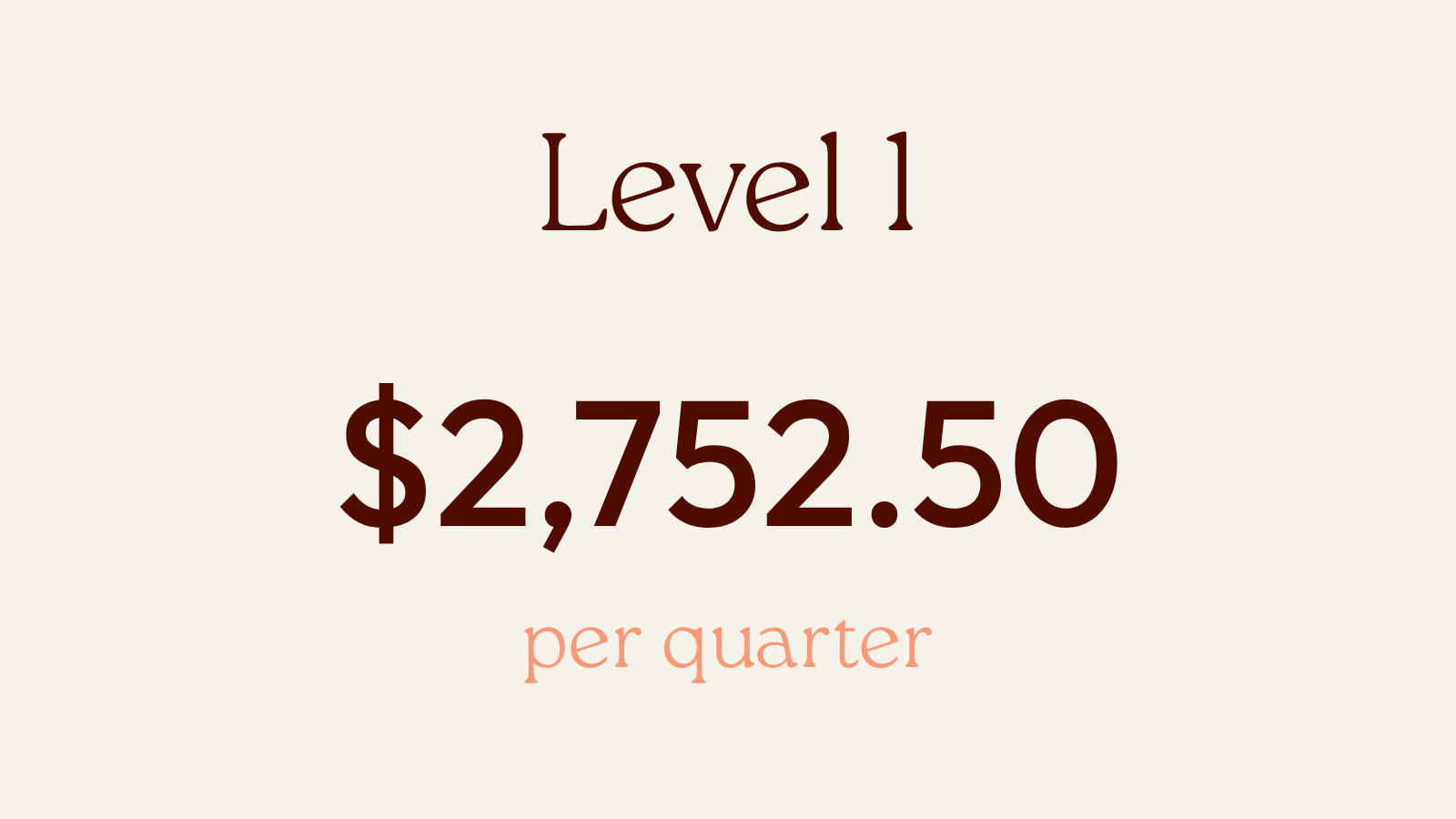
level 1 funding 2752 dollars per quarter

Occasional help

Typically suits people who are largely independent but benefit from occasional help around the home, such as cleaning, laundry, or meal preparation.
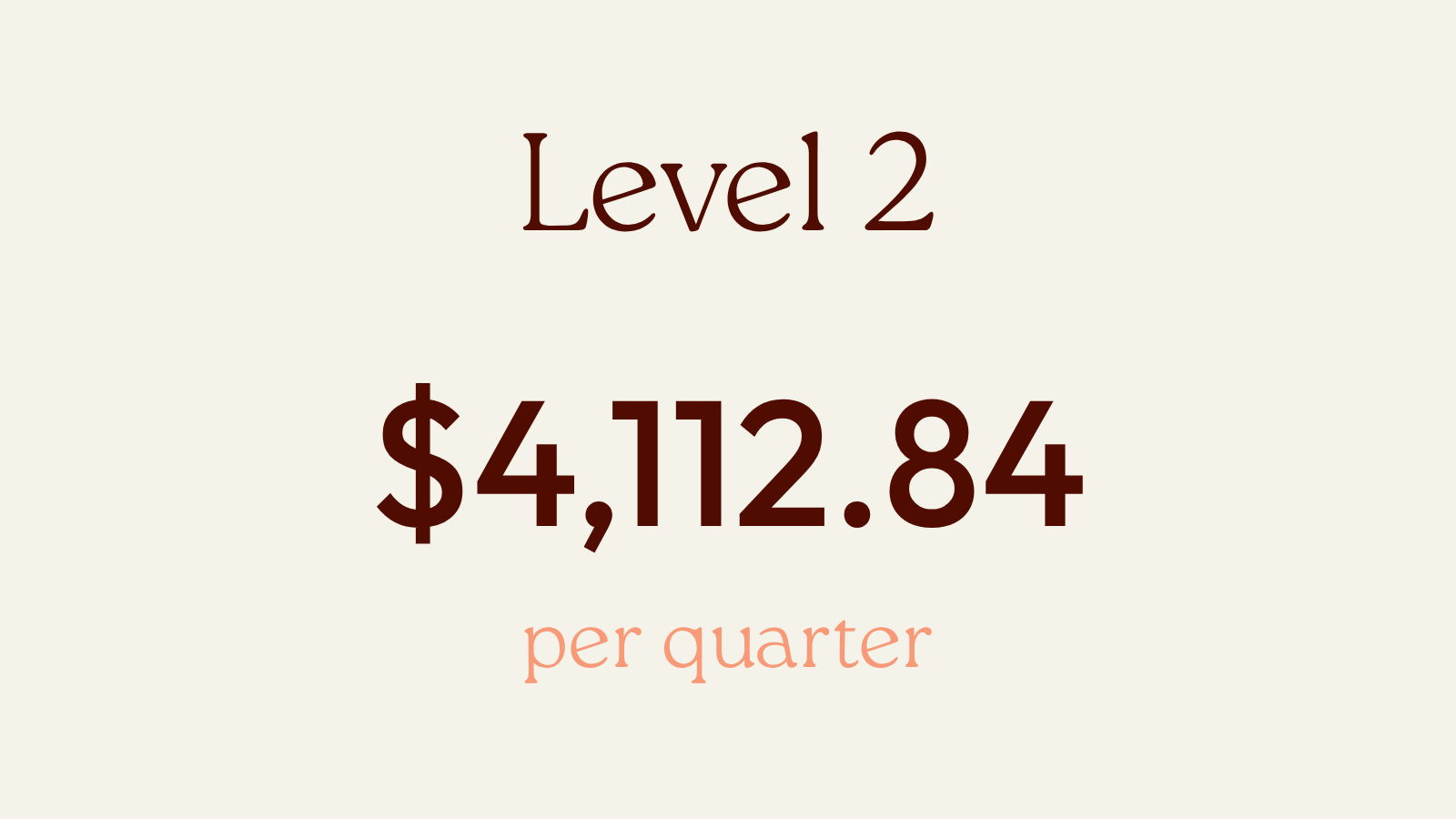
level 2 funding 4112 dollars per quarter

Regular support

Often includes a mix of household tasks and personal care support. For example, help getting to appointments, personal grooming, or weekly domestic help.
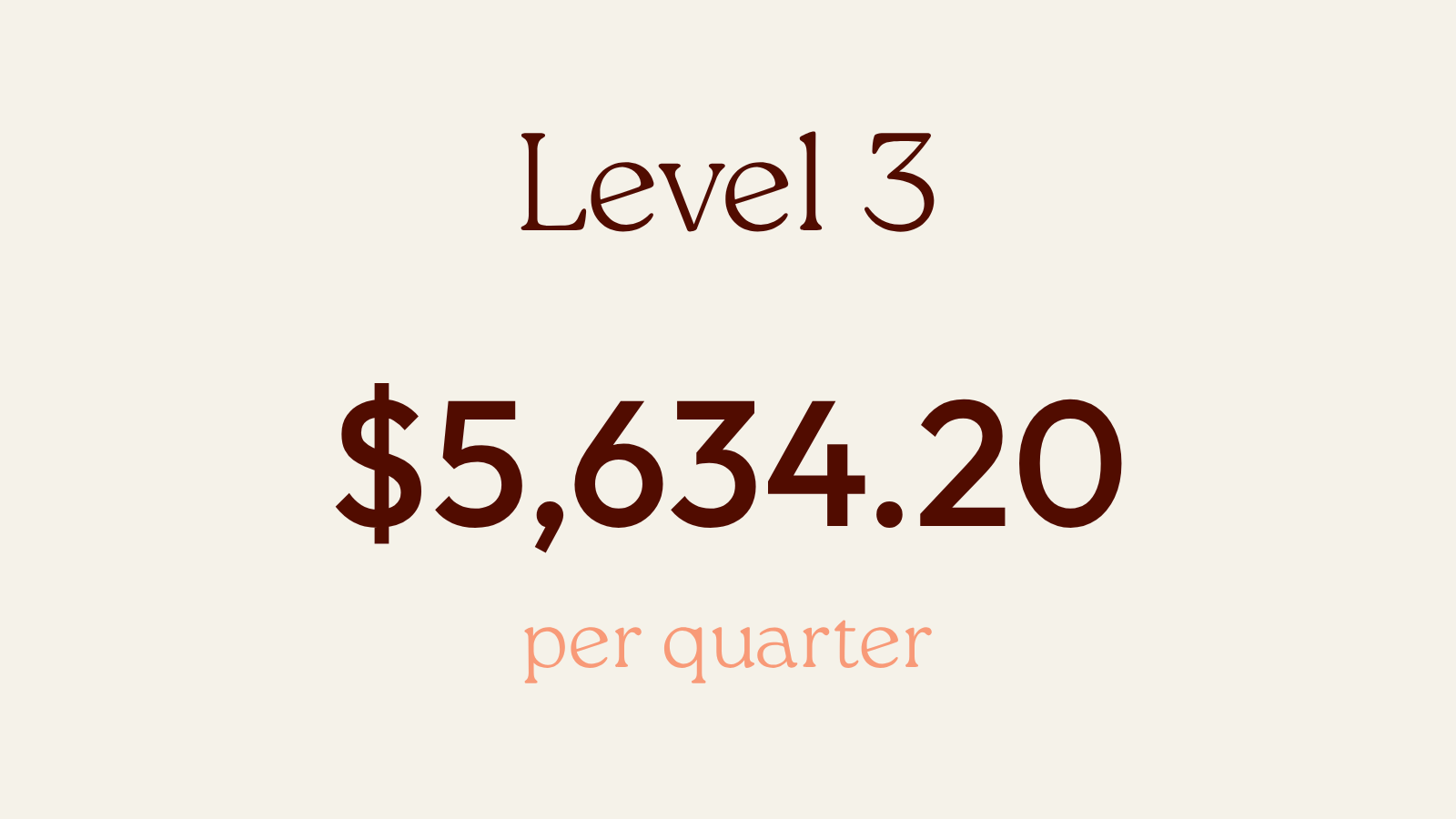
level 3 funding 5634 dollars per quarter

More consistent care

Commonly observed with people who need more structured daily or weekly support, such as showering assistance, mobility help, or management of equipment needs.
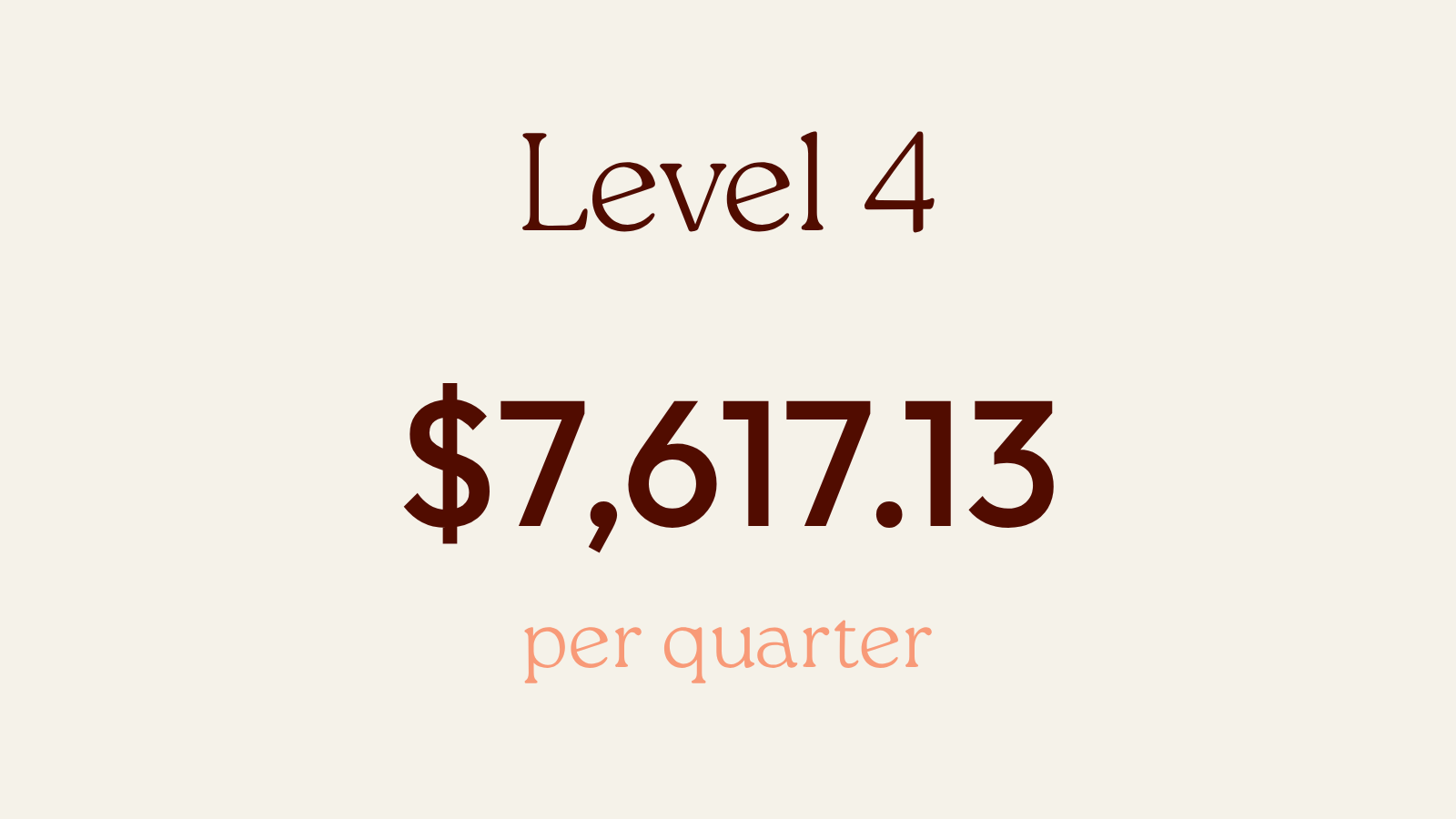
level 4 funding 7617 dollars per quarter

Frequent support

Typically involves regular support across both personal care and household tasks, with some coordination needed to maintain independence and safety at home.
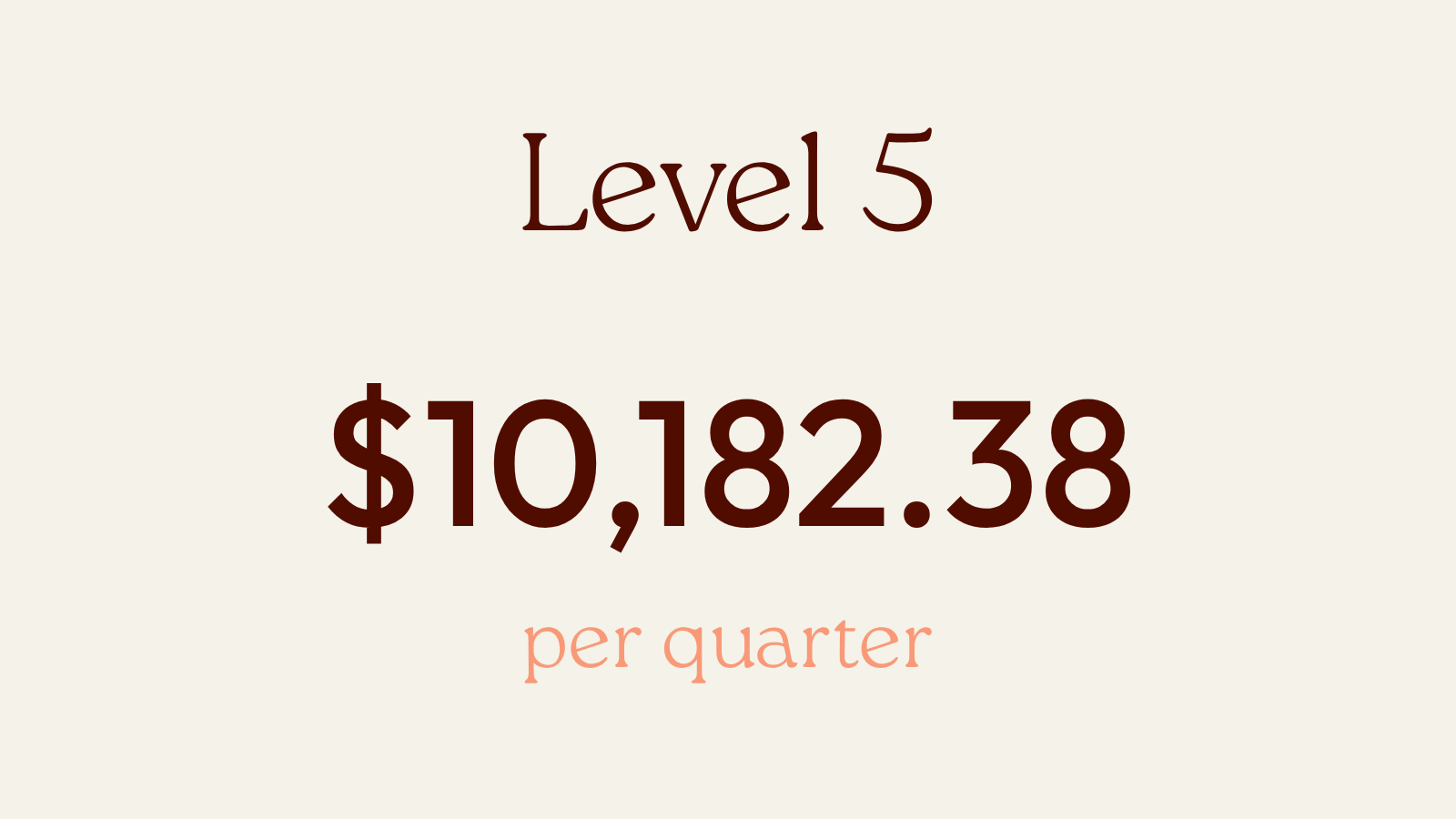
level 5 funding 10182 dollars per quarter

Daily assistance

Often includes daily personal care alongside care coordination. For example morning routines, medication prompting, and regular check-ins from a coordinator.
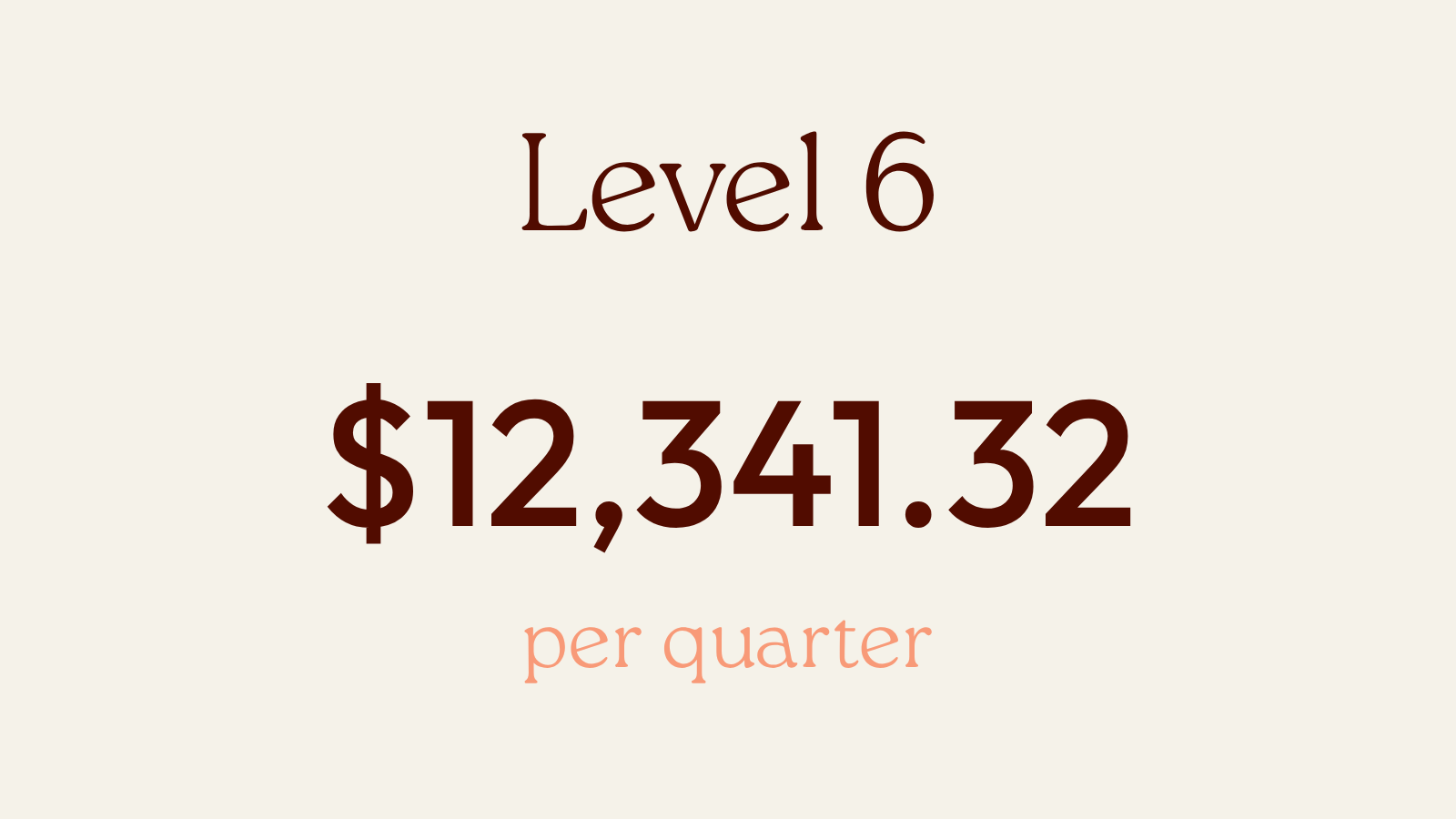
level 6 funding 12341 dollars per quarter

Coordinated clinical and personal care

Typically observed where both nursing and personal care are needed consistently, such as wound care, allied health visits, and daily support with activities of daily living.
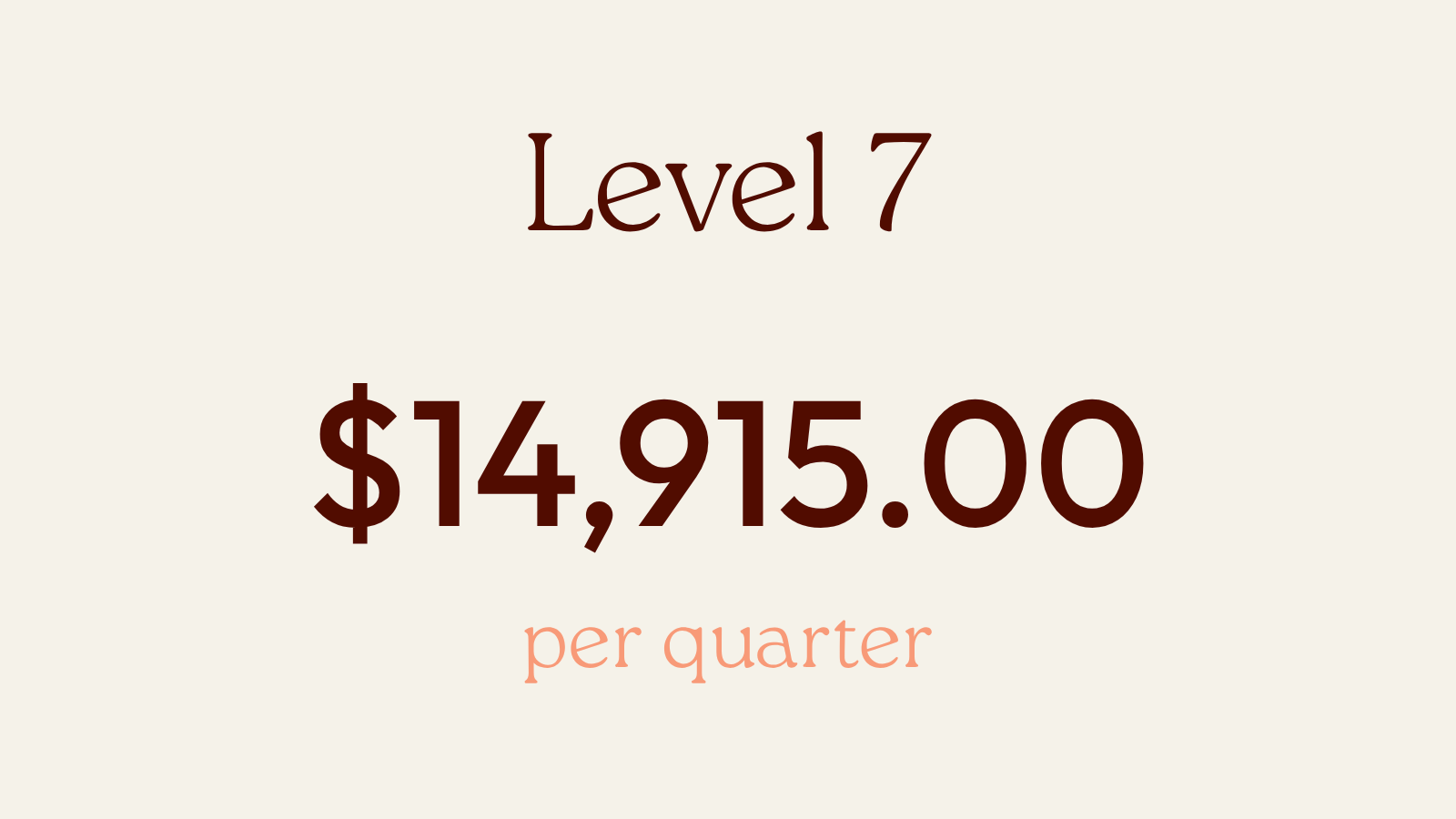
level 7 funding 14915 dollars per quarter

Complex needs support

Commonly suits people with multiple or complex health conditions requiring daily support across clinical, personal care, and household needs, often with specialist involvement.
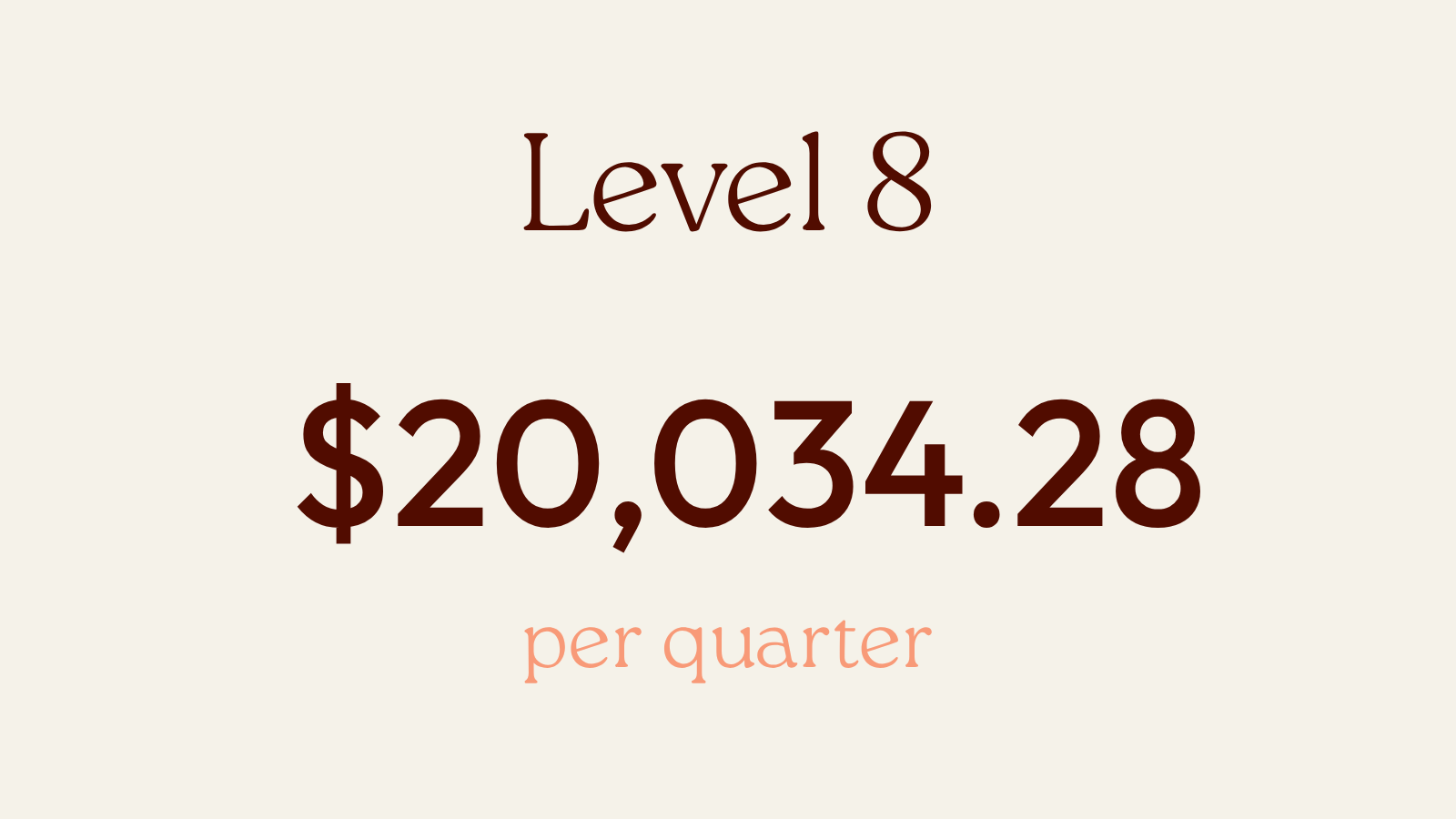
level 8 funding 20034 dollars per quarter

High intensity daily in-home care

Typically reflects the highest care needs such as advanced nursing, palliative care support, or around-the-clock assistance for people with significant health, chronic or mobility challenges.

If you don’t use your full quarterly budget, you can roll over up to $1,000 or 10% to the next quarter (whichever is higher). This gives you flexibility when your care needs vary month to month.

If you’re already receiving Home Care Package funding, you will likely move to the same funding level in the Support at Home classification.

Changes for Grandfathered participants

Under the “No Worse Off” principle, if you were assessed or were given a Home Care Package before 12 September 2024, you won’t pay more than you did under the previous system. If you already pay fees, your contribution will be the same or lower. If you are a full-rate pensioner who didn’t pay fees before, you still won’t pay fees.

Changes for Transitional participants

If you were assessed after 12 September 2024, different funding rules apply, so the “No Worse Off” principle won’t apply in the same way. Your contribution (if any) will depend on your income and the type of service.

  • Clinical Care: fully funded
  • Independence Support: moderate contribution
  • Everyday Living: higher contribution

Funding for transitioned HCP participants

The information below shows the quarterly and annualised amounts for transitioned HCP participants. This is indexed on 1 July each year. 
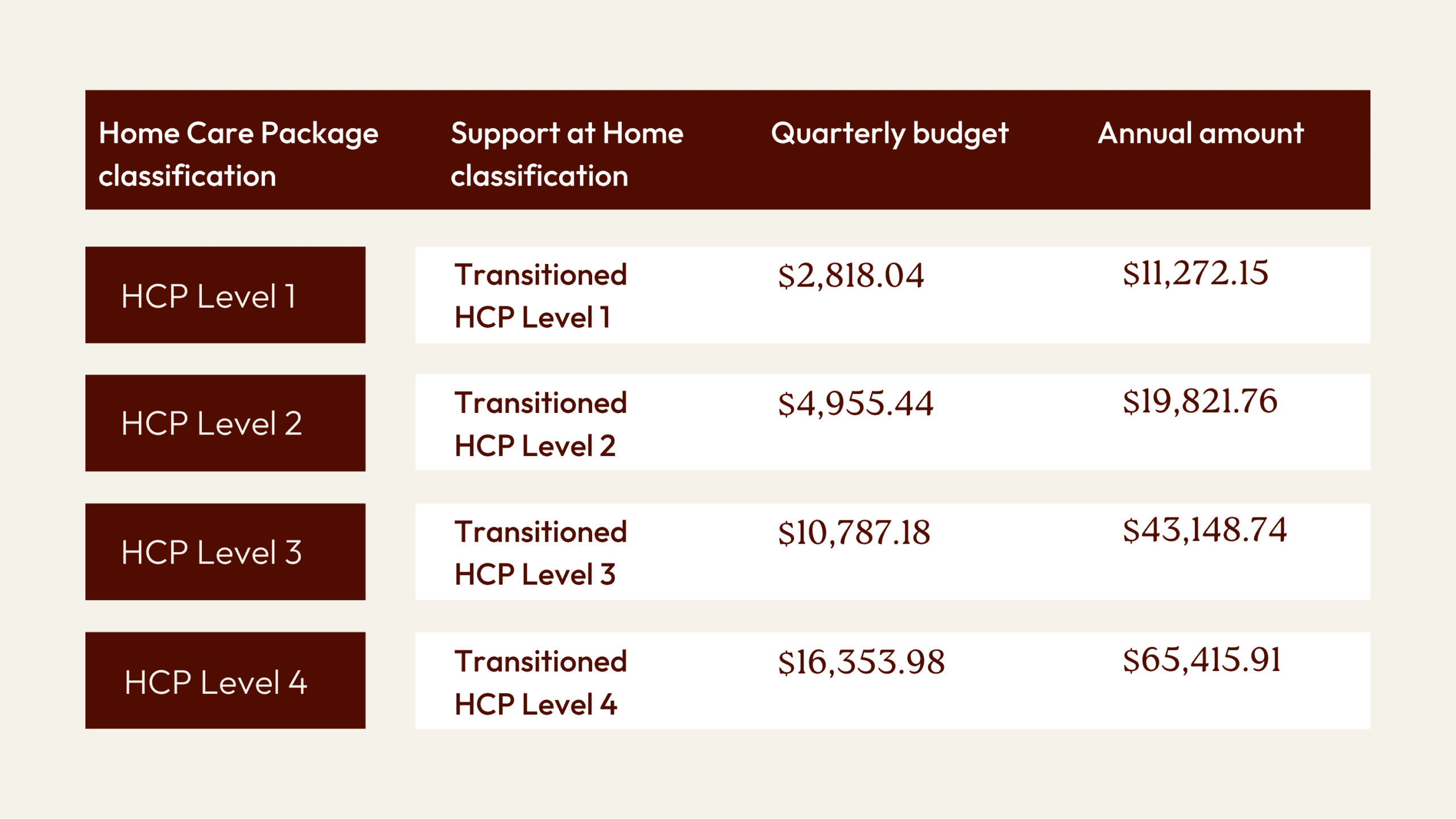
Funding for transitioned home care package recipients

What happens to unspent Home Care Package funds?

If you transitioned from a Home Care Package to Support at Home, any unspent HCP funds remain available for your care and support. These funds can be used for approved assistive technology, home modifications, or additional services once your full quarterly Support at Home budget has been used.

There is no carryover limit on unspent HCP funds. If you change Support at Home providers, your remaining balance will transfer to your new provider.

What will my co-contribution look like?

What you pay will depend on your financial circumstances and the type of services needed. An income assessment will determine whether you are required to contribute to service costs.
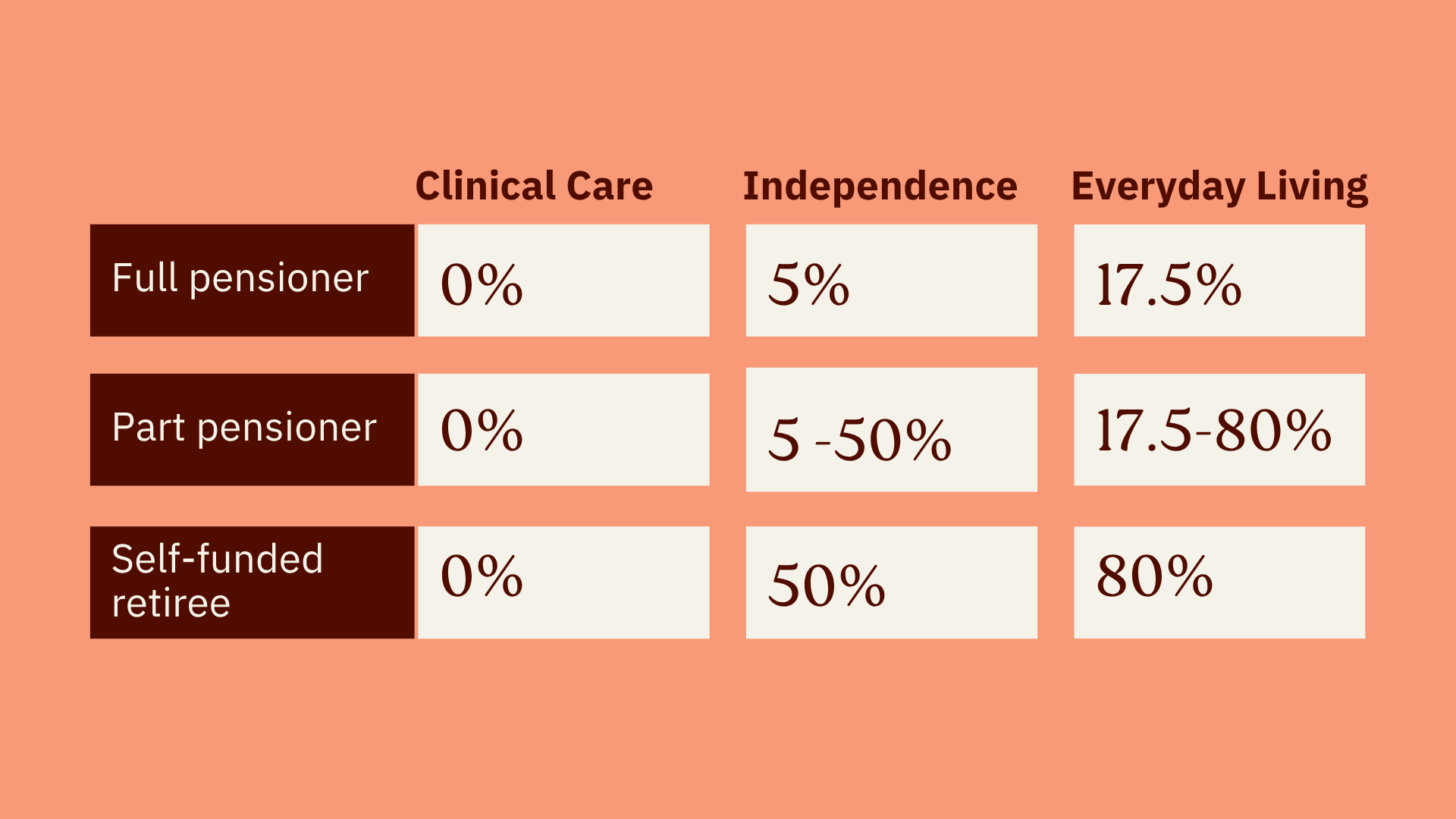
What will my co-contribution look like

Support at Home real-world examples based on your situation

Not sure what Support at Home looks like in practice? Here are a few realistic scenarios to help you understand what your care and costs could look like.

Margaret, 78, Full pensioner

Lives alone, needs help with cleaning and shopping.

  • Likely level: Level 2
  • Typical services: Domestic assistance, meal prep, social support
  • Estimated co-contribution: ~17.5% of Everyday Living costs


Robert, 83, Part pensioner

Lives alone, recovering from a hip replacement, needs nursing and physio.

  • Likely level: Level 4
  • Typical services: Community nursing, physiotherapy, personal care
  • Estimated co-contribution: Clinical Care: $0. Personal care: 5%


Patricia, 91, Self-funded retiree

Complex health needs, daily care required

  • Likely level: Level 7
  • Typical services: Nursing, allied health, daily personal care, home modifications
  • Estimated co-contribution: Clinical Care: $0. Everyday Living: 80%


Jim & Helen, Full pensioners

Both transitioned from HCP Level 3

  • Likely level: Level 3 each
  • Typical services: Existing services continue without disruption
  • Estimated co-contribution: Same or lower than previous HCP contributions
Portrait Of Elderly Aboriginal Australian Grandmother

Why choose Kanda as a Support at Home (SaH) provider?

A trusted support provider in Australia since 1997, Kanda is known for delivering compassionate and reliable care.

Our Support at Home experts can help you transition to Support at Home. Whether you are already approved for a Home Care Package or in the National Priority System waiting for a Home Care Package allocation we can answer your questions and explain what to expect.

Kanda is an approved My Aged Care provider

We will make the transition to Support at Home simple for you.

We’ll guide you through your options, help with planning and paperwork, and ensure you keep the support you rely on without disruption or confusion.

Under the Support at Home program, you can still choose your own care provider. Kanda is a trusted Support at Home provider with local teams ready to help you through the changes that come with the move to Support at Home.

Our happy customers

“We were fortunate enough to be pointed towards Kanda and straight away decided they’re the people we wanted to go with and its worked out marvellous.”
Colin South Australia
"The people from Kanda were unbelievably wonderful. They treated us with respect, as individuals who really mattered. We never felt rushed. They always had time to listen. I have total confidence in recommending the organisation and every individual we met."
Jo Victoria

More Support at Home Resources

Find a range of resources and links to take the stress out of navigating the transition to Support at Home.

Important details about the changes to Home Care

File size: 92 KB
File type: PDF

Changes for Grandfathered participants

File size: 98 KB
File type: PDF

Changes for Transitional participants

File size: 104 KB
File type: PDF

Statement of Rights

The Statement of Rights sets out the rights of older people in aged care and supports safe, high-quality service delivery.

Code of Conduct

The Aged Care Code of Conduct explains how aged care workers and providers are expected to behave when delivering care.

Quality Standards for Aged Care

The Aged Care Quality Standards define what good care looks like.

Support at Home booklet

The Department of Health, Disability and Ageing’s booklet for older people, family and carers.

Single Assessment System

Read about the Single Assessment System on the Department of Health, Disability and Aging website

Financial Hardship Assistance

If you can’t afford to pay your fees or contribute to your care costs, you can apply for financial hardship assistance through Services Australia.

Aged Care Needs Assessments

An aged care needs assessment identifies the support a person needs and what services they may be eligible for.

Aged Care Reforms

Important changes to aged care to ensure older Australians receive the safety, dignity and respect they deserve.


FAQs about Support at Home

Support at Home is the new Australian Government aged care program launching on 1 November 2025. It replaces Home Care Packages (HCP) and Short-Term Restorative Care (STRC). The goal is to offer more flexible, tailored support to help older Australians stay independent at home for longer. It will replace the Commonwealth Home Support Program (CHSP) after 1 July 2027.

Home Care Packages will be phased out on 1 November 2025. If you have previously been approved for a Home Care Package, you’ll automatically transition to the new system without needing to do another Support at Home assessment.

Now is the ideal time to review your care plan, understand your funding level, and speak with a provider like Kanda to ensure a smooth transition. Acting early helps avoid last-minute confusion or delays.

You’ll continue to get the support you need, but there may be some changes to align with the new service categories. We will help make these changes smoothly. Services will be grouped into three categories: Clinical Care, Independence Support, and Everyday Living, but the types of support you access can remain the same.

Some costs will change. If you are already receiving Home Care Package services or if you were approved for a package before 12 September 2024 (grandfathered participant), your package subsidy will remain unchanged and you will continue to make the same contribution (if any) as you have under the Home Care Package program.

Under Support at Home, clinical care services are fully government funded. You will need to pay contribution for Independence Support and Everyday Living services. The costs of these services are based on your income.

If you were assessed after 12 September 2024, you’re known as a transitional participant. As a transitional participant your package subsidy will not change. However, there will be changes to your contributions towards the cost of your services. Services Australia will assess your fees and let you know what they are.

If you are a full-rate pensioner and you didn’t pay fees before the introduction of Support at Home, you still won’t pay fees.

If reassessed after 1 November 2025, your classification may change, and your contribution could be adjusted based on the services you receive.

Our team can help you understand the cost changes that Support at Home might bring.

Previously, you needed to do a RAS assessment if you wanted entry level support from the Commonwealth Home Support Programme (CHSP) or an ACAT assessment if you needed aged care services like residential aged care, Home Care Packages (HCP), transition care or respite care.

Instead of multiple assessments, there will now be a Single Assessment System. It means the aged care assessment is all one process, so you can get support quicker and easier. Based on your assessment and eligibility, you will get an approved list of services to help you live more independently at home.

If you already have a Home Care Package or you have been approved for a Home Care Package, you will move to Support at Home and keep the same level of funding. If you’re on the National Priority System and are waiting for a Home Care Package, you will get a Support at Home classification when a place is available. However, if your care needs have changed significantly, you may need an updated My Aged Care assessment.

Your funding will now be allocated quarterly across eight levels, ranging from $2,750 to $19,500 per quarter. If you're already on a package, your funding level will remain consistent unless reassessed.

Yes, when you move to Support at Home (SaH) you can stay with the same provider. You will continue to receive your services under the Single Provider Model. Kanda will provide continuity, care plan review and communication throughout the change from Home Care Packages to Support at Home.
As a Kanda client, there will be absolutely no change to the care team engaged in delivering services to you. Existing management and coordination teams will remain the same under the new program. The Kanda team will contact you before the change to Support at Home to arrange a time to meet with you. They will review your care plan, explain the changes and answer your questions.

Support at Home services include nursing, personal care, transport, meal preparation, home maintenance, allied health, social support, assistive technology and more.

There are also three short-term pathways. The Restorative Care Pathway helps you maintain and improve your independence through multidisciplinary allied health services. The Assistive Technology and Home Modifications (AT-HM) scheme is for products, equipment and home modifications to meet your assessed needs. The End-of-Life Pathway provides dedicated funding to access services and remain at home in your last 3 months of life.

You can make the transition to Support at Home easier for your parents or loved ones by taking a few simple steps. Start early and stay informed by reaching out to their provider to discuss how their current Home Care Package will move across to the new system. Providers like Kanda are already preparing for this change and have helpful guides available. It’s also important to be an advocate and a partner by making sure your loved one understands what to expect. You can also support them by reviewing or updating their care plan together and asking questions about the services they receive. Finally, take some time to get up to date by reading the Support at Home booklet for older people, families and carers from the Department of Health, Disability and Ageing.

We have a range of downloadable resources explain the changes that Support at Home will bring in the above resource section.

If you have any concerns or want to make a complaint about your Support at Home provider, your first stop should be the provider themselves. For example, if you are a Kanda client you can contact us on our Feedback & complaints page. If you don’t get a satisfactory answer from your provider you can lodge a complaint with the Aged Care Quality and Safety Commissioner. Complaints can be made online or via phone (1800 951 822), and you can choose to remain anonymous or confidential.

From 1 November 2025, if you are genuinely struggling to pay your Support at Home contribution, you can apply for hardship assistance through Services Australia. You will need to provide evidence to support your claim. They will assess your application and let you know what help you’re eligible for. There is more information about planning your finances for aged care on the My Aged Care website.

The Commonwealth Home Support Program (CHSP) will stay in place in its current form until at least 1 July 2027. This gives providers and clients time to prepare for the transition. In the meantime, you may notice some changes in the services your provider offers and in how they report to the government.

If you transitioned from a Home Care Package to Support at Home, any unspent HCP funds remain available for your care and support. These funds can be used for approved assistive technology, home modifications, or additional services once your full quarterly Support at Home budget has been used. There is no carryover limit on unspent HCP funds. If you change Support at Home providers, your remaining balance will transfer to your new provider.

Helpful Blogs and Articles

Still have questions about Support at Home?

We know the transition to a new system can feel overwhelming, but you don’t have to navigate it alone. Our team is here to explain your options, guide you through assessments, and make sure you and your family feel supported every step of the way.